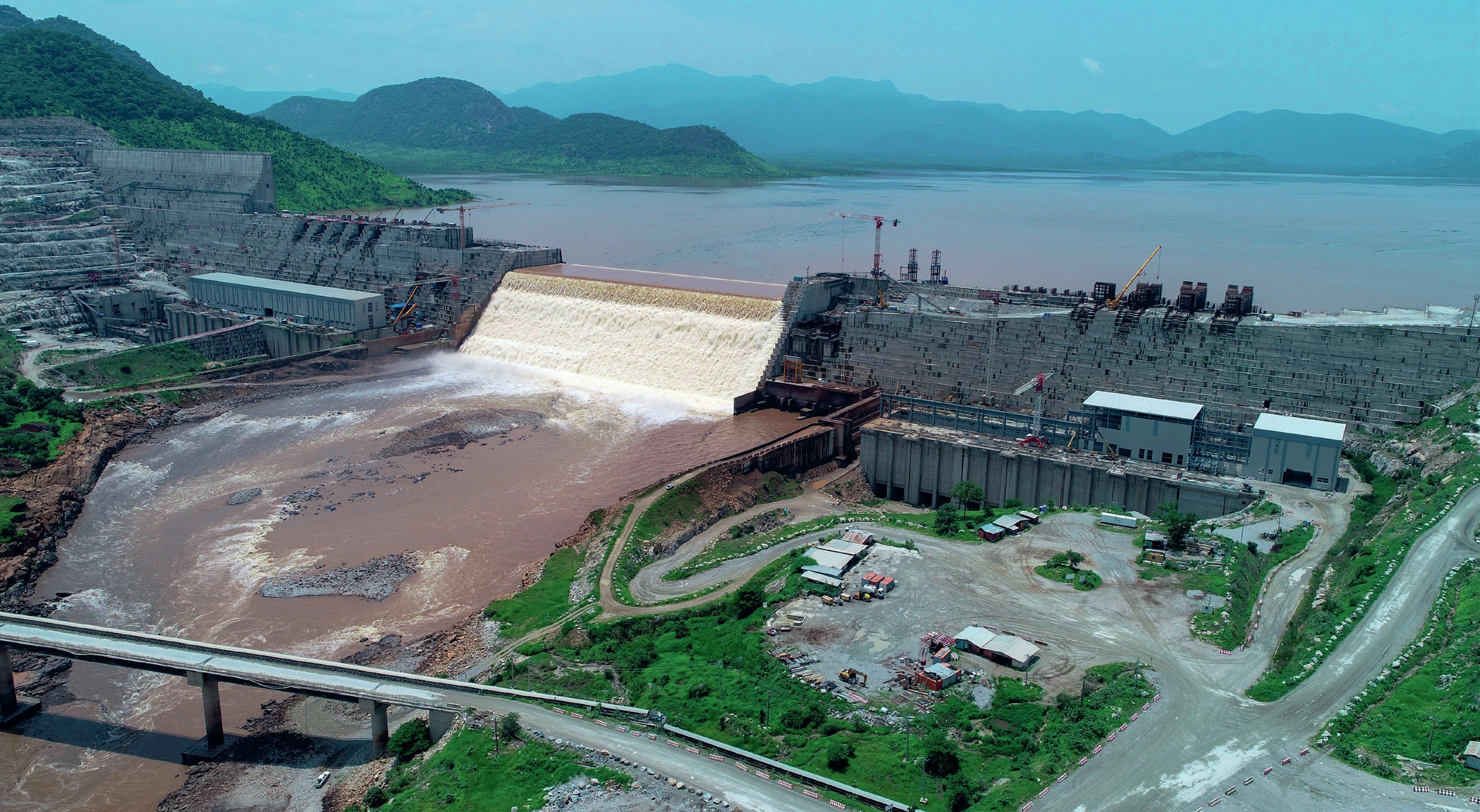
The Grand Renaissance Dam, Ethiopia
Ethiopia has taken a significant step toward long-term energy security by launching a formal site selection study for its first nuclear power plant. The Ethiopian Academy of Sciences (EAS) and the Ethiopian Nuclear Energy Commission (ENEC) signed a consultancy agreement that authorizes a scientific assessment to identify suitable locations for a nuclear facility intended strictly for peaceful purposes. This agreement marks Ethiopia’s first structured move into nuclear power development and reflects a growing commitment to energy diversification.
The agreement, signed by Prof. Teketel Yohannes, Executive Director of EAS, and Mr. Sandokan Debebe of ENEC, places scientific rigor at the center of decision-making. Ethiopian experts will conduct the study using internationally accepted nuclear safety and environmental standards. The process will examine seismic stability, hydrology, environmental impact, population density, and long-term safety requirements in line with International Atomic Energy Agency guidelines.

Scientific Planning and International Standards
The nuclear site selection study aims to build a strong technical foundation before any construction decision. Ethiopia understands that nuclear energy development requires careful preparation, transparent governance, and strict adherence to global safety norms. By starting with a comprehensive site assessment, the country positions itself to attract international cooperation, technology transfer, and future investment in nuclear infrastructure.
This approach also strengthens institutional capacity. Ethiopian scientists, engineers, and regulators will gain practical experience in nuclear planning, risk assessment, and environmental evaluation. These capabilities will support not only power generation but also broader applications of nuclear technology in medicine, research, and industry.
The Role of the Grand Ethiopian Renaissance Dam
The nuclear initiative follows the successful commissioning of the Grand Ethiopian Renaissance Dam (GERD), Africa’s largest hydroelectric power plant. The GERD stands as a cornerstone of Ethiopia’s renewable energy strategy, with an installed capacity exceeding 5,150 megawatts. The dam supplies clean electricity to millions of Ethiopians and supports power exports to neighboring countries, reinforcing regional energy integration.
Hydropower has driven Ethiopia’s economic growth, industrial parks, and urban expansion. The GERD demonstrates the country’s ability to execute complex, large-scale energy projects using domestic expertise and long-term planning. However, hydropower alone cannot meet all future energy demands.
Why Ethiopia Energy Looks Beyond Hydropower
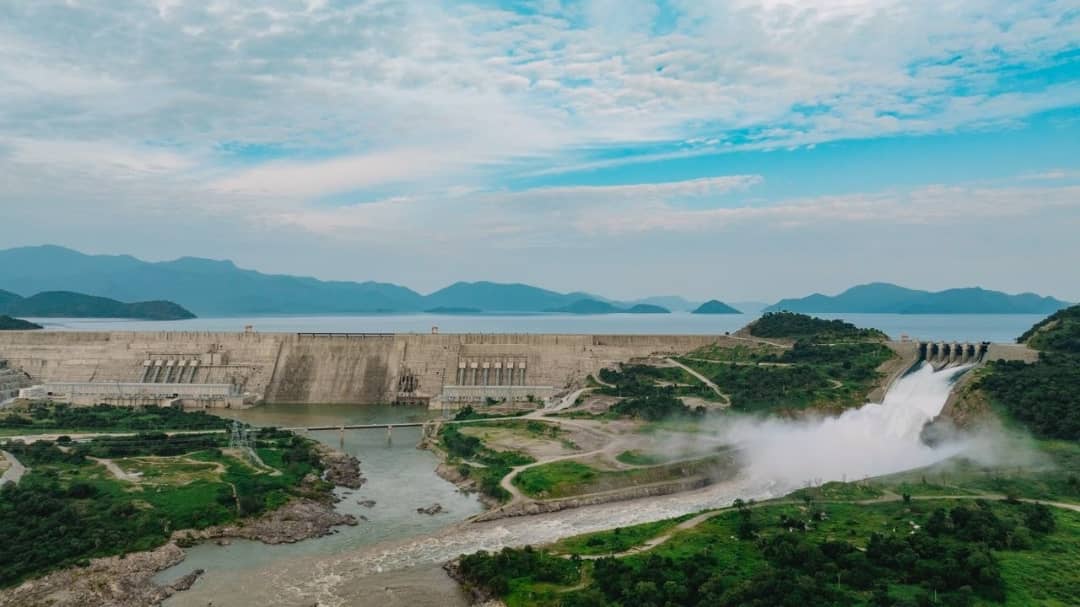
Ethiopia faces rising electricity demand driven by population growth, industrialization, digital infrastructure, and electrified transport. Climate variability and drought also affect hydropower reliability. These realities push policymakers to pursue a diversified energy mix that ensures stable, base-load electricity throughout the year.
Nuclear power provides constant, high-capacity energy without carbon emissions. Unlike hydropower, nuclear generation does not depend on rainfall or seasonal conditions. For Ethiopia, nuclear energy offers a strategic solution to maintain grid stability while meeting climate commitments and supporting sustainable development goals.

Nuclear Energy as a Ethopia’s Energy Future
By beginning the site selection process, Ethiopia signals that nuclear energy forms part of its long-term national development strategy. The country does not view nuclear power as a replacement for renewables, but as a complement to hydropower, wind, solar, and geothermal energy. This balanced approach aligns with global energy transition trends and strengthens national energy security.
A Strategic Step for Regional Leadership
Ethiopia’s decision to explore nuclear power reinforces its position as an emerging energy leader in Africa. The combination of Africa’s largest hydroelectric dam and future nuclear capacity places the country on a path toward reliable, low-carbon power generation for decades to come. Through scientific planning and forward-looking policy, Ethiopia continues to shape an energy future built on resilience, sustainability, and technological progress.