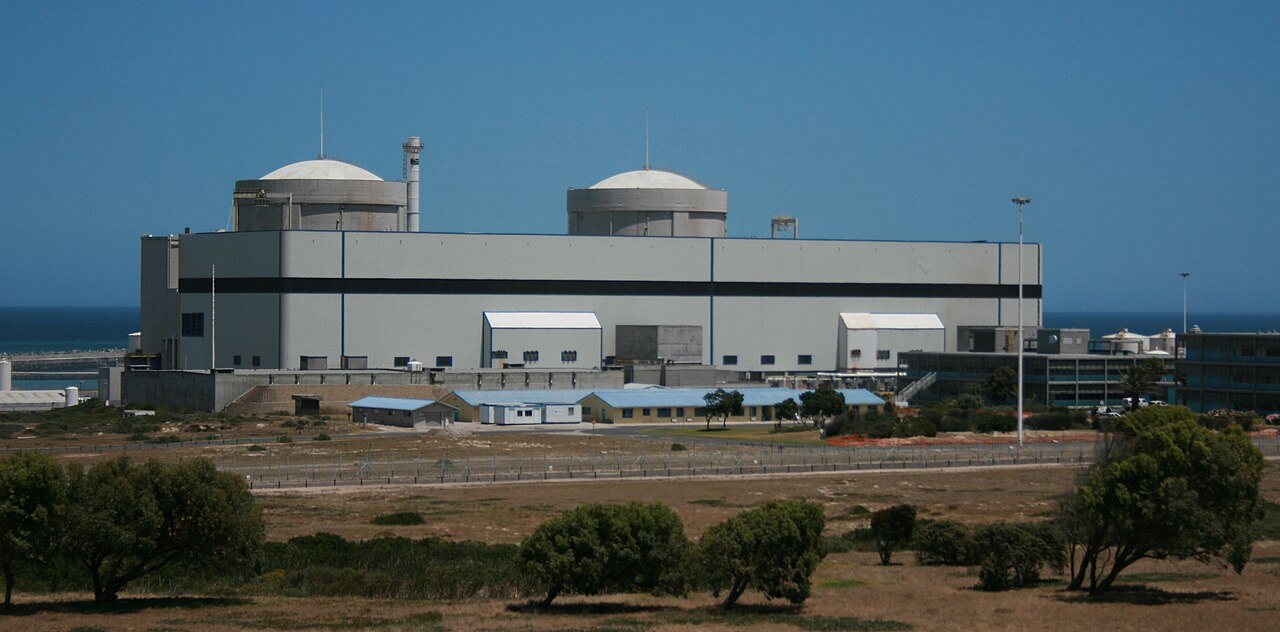
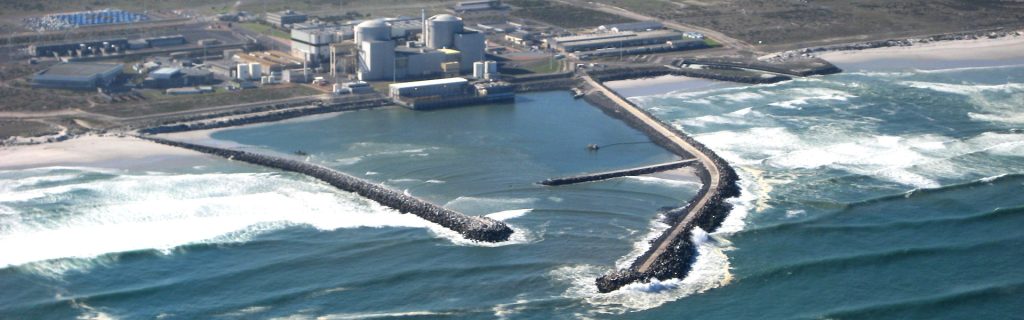
Nestled along the stunning coastline of the Western Cape, just outside Cape Town, lies Koeberg Nuclear Power Station – South Africa’s flagship in nuclear energy generation and the only nuclear power plant on the African continent. For over three decades, Koeberg has been quietly powering homes, industries, and businesses, playing a crucial role in the country’s energy landscape. But this iconic plant is more than just a provider of electricity; it’s a symbol of South Africa’s strides toward energy sustainability and its growing involvement in global nuclear energy conversations.
The Birth of Koeberg: A Vision for the Future
Koeberg Nuclear Power Station was officially opened in 1984, marking a pivotal moment in South Africa’s history of energy production. At the time, the country was looking for ways to diversify its energy sources, reduce reliance on fossil fuels, and meet the growing demand for electricity. Koeberg was the answer—a state-of-the-art facility designed to produce clean, reliable, and efficient power.
The station consists of two pressurized water reactors (PWRs), each with a capacity of 900 MW, making it the largest power station in the country. Together, these reactors provide around 5% of South Africa’s total electricity supply, a vital contribution in a country where power demand is ever-growing.
A Commitment to Sustainability
Koeberg’s significance lies in its role as a low-carbon energy source. As the world becomes increasingly aware of the environmental costs of fossil fuels, nuclear energy stands out as a cleaner alternative. Unlike coal-fired plants, Koeberg produces no greenhouse gas emissions during operation, making it an essential player in South Africa’s efforts to combat climate change and reduce its carbon footprint.
Koeberg is also a testament to the reliability and efficiency of nuclear energy. The plant operates at a high capacity factor, meaning it runs continuously, without interruption, for long periods. This level of reliability ensures that South Africans enjoy a stable electricity supply, regardless of weather or geopolitical instability affecting other energy sources.
Innovation and Safety: A Global Standard
Despite being operational for over 30 years, Koeberg remains at the cutting edge of technology. The plant is regularly upgraded to meet the latest safety standards and technological advances. In fact, Koeberg is one of the most safely operated nuclear plants in the world, adhering to international guidelines set by organizations such as the International Atomic Energy Agency (IAEA).
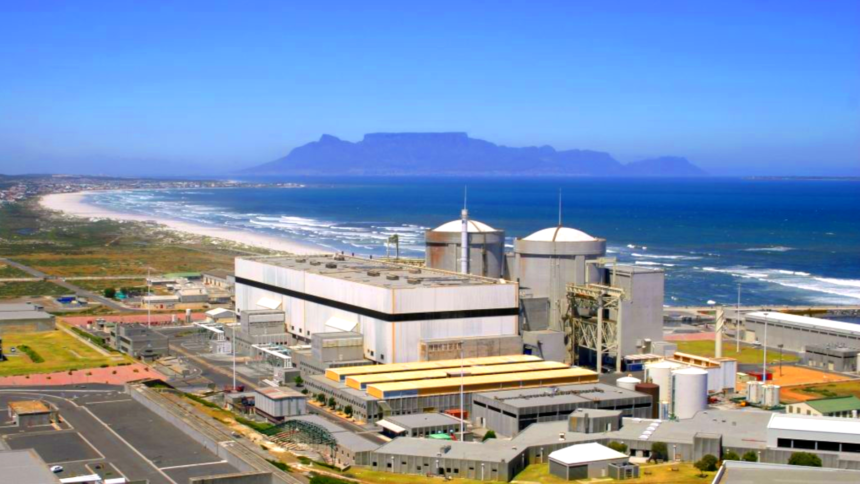
The plant’s safety protocols are rigorous, involving regular inspections, drills, and updates to its systems to safeguard against any potential risks. Koeberg’s workforce is highly trained, ensuring that the station runs smoothly and securely. As one of the few nuclear plants operating in a region with relatively high seismic activity, Koeberg has been designed to withstand significant natural events, further reinforcing its commitment to safety.
Powering South Africa, Powering the Future
The future of Koeberg is as bright as its past. While there has been much debate about the role of nuclear energy in South Africa’s energy mix, Koeberg’s ongoing reliability and success are undeniable. In 2021, the South African government extended the operating license of the plant for another 20 years, ensuring that Koeberg will continue to play an integral part in the nation’s power grid until at least 2044.
In addition to its existing operations, Koeberg is at the heart of South Africa’s broader nuclear energy ambitions, with future projects that could expand the country’s nuclear capacity even further. As a country that is heavily reliant on coal, Koeberg is a crucial step towards reducing South Africa’s carbon emissions and transitioning to a cleaner, more sustainable energy future.