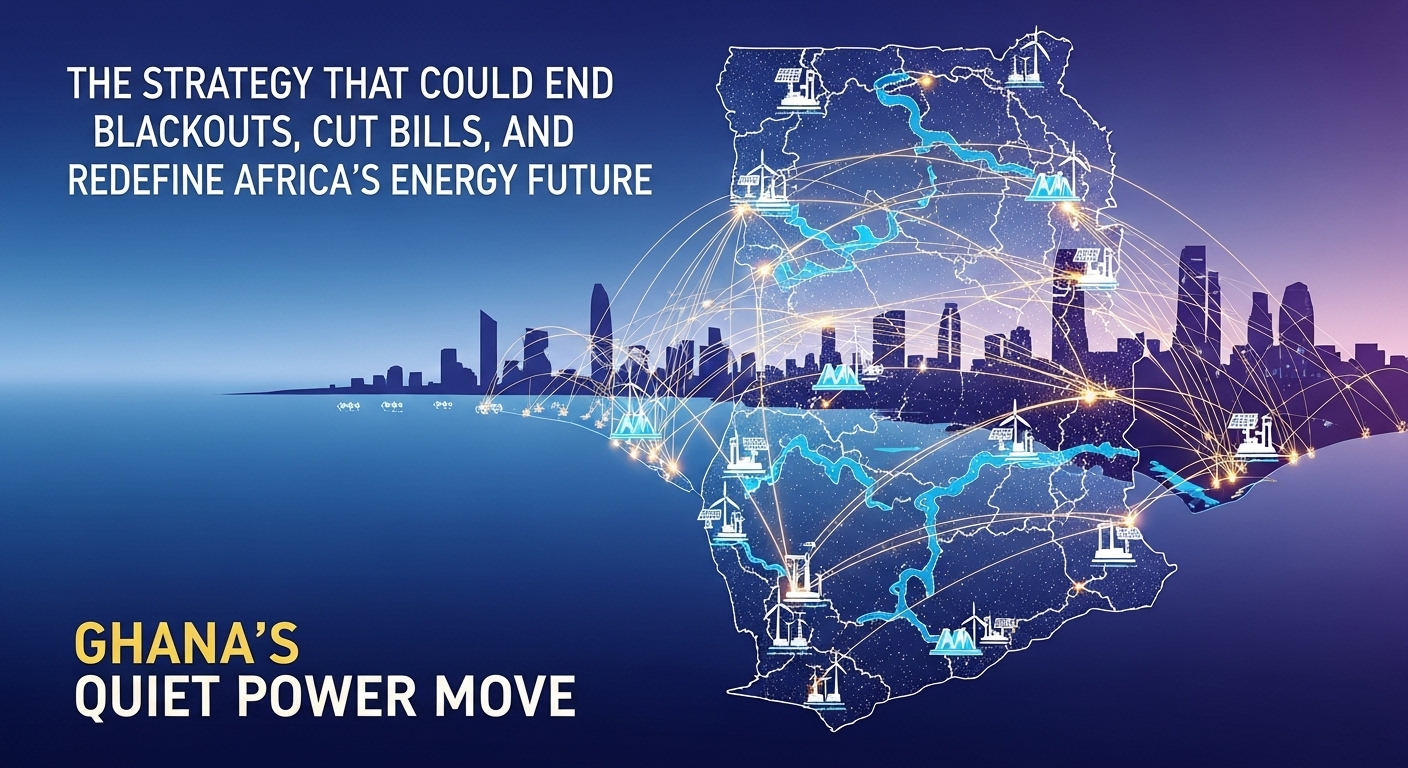
A major shift in Ghana’s energy strategy is quietly taking shape, and it could redefine how electricity is generated, priced, and secured for decades. While public attention often focuses on power tariffs and outages, stakeholders are exploring a deeper structural solution: integrating nuclear power with renewable energy to achieve long-term energy security.
A high-level stakeholder workshop in Accra examined Ghana’s path toward a hybrid nuclear-renewable electricity system as part of a broader response to climate change, rising energy demand, and grid instability. The United States Department of State’s Foundational Infrastructure for Responsible Use of Small Modular Reactor Technology (FIRST) Programme supported the event, and the International Science and Technology Centre (ISTC) implemented it. The Graduate School of Nuclear and Allied Sciences (SNAS) hosted the workshop, which brought together leadership from the Ministry of Energy and Green Transition, Nuclear Power Ghana (NPG), the Volta River Authority (VRA), the Bui Power Authority (BPA), the Energy Commission, regulators, and academic institutions.
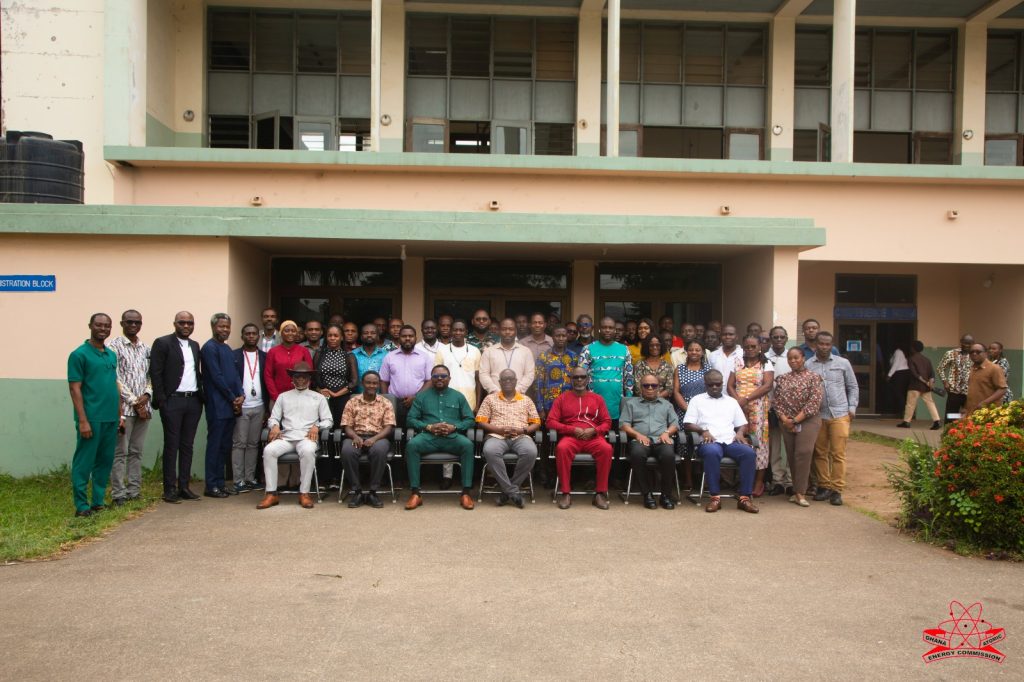
The workshop focused on Small Modular Reactors (SMRs)—a new generation of nuclear technology that global experts increasingly view as a clean, flexible, and reliable complement to solar and wind power.
Why Ghana’s Energy Model Is Being Re-thought
Ghana has made the expansion of renewable energy—particularly solar and hydropower—a central pillar of its electricity strategy. However, intermittent power generation continues to challenge grid reliability, especially during periods of low rainfall or limited sunlight. When renewable output declines, power producers rely more heavily on fossil-fuel thermal plants, a shift that drives up electricity tariffs, increases dependence on imported fuels, and accelerates carbon emissions.
In response, policymakers and energy experts are actively assessing Small Modular Reactors (SMRs) as a stabilising solution within Ghana’s evolving power mix. Unlike conventional nuclear power plants, SMRs provide continuous baseload electricity through smaller, modular units designed with advanced safety features and greater operational flexibility. These characteristics make SMRs well suited for integration into existing grids alongside renewable energy sources.
During the workshop, speakers made it clear that Ghana does not intend to replace renewable energy with nuclear power. Instead, they framed nuclear energy as a backbone technology that enables renewables to scale reliably. By anchoring the grid with steady, low-carbon nuclear power, Ghana can expand solar and wind capacity without compromising electricity reliability or exposing consumers to volatile power costs.
Evidence-Based Planning and Energy Modelling
The discussions were grounded in research conducted under the U.S. Department of State’s Foundational Infrastructure for Responsible Use of Small Modular Reactor Technology (FIRST) Programme, implemented through the International Science and Technology Centre (ISTC).
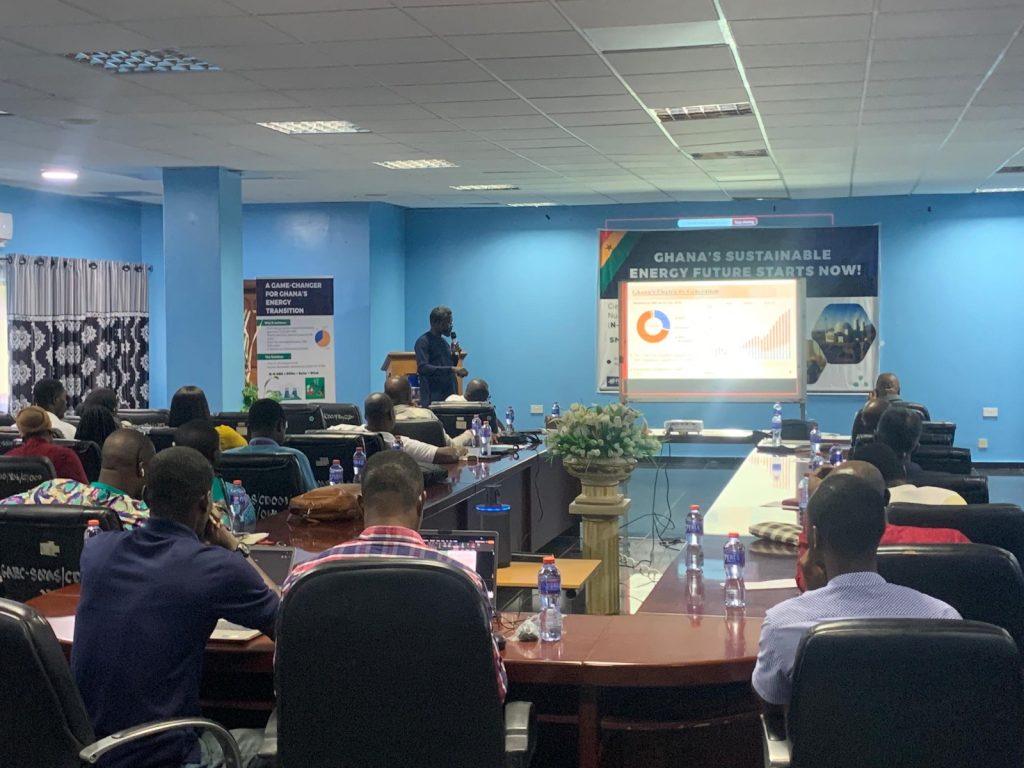
RResearchers presented findings from a comprehensive energy systems study that showed how Small Modular Reactor (SMR)–renewable hybrid systems can strengthen grid stability, lower long-term electricity costs, and support a more predictable and stable tariff regime. By combining constant nuclear baseload power with variable renewable generation, the study illustrated how Ghana could reduce its exposure to power fluctuations and fuel price volatility.
To reach these conclusions, the research team applied advanced energy modelling tools, including the National Renewable Energy Laboratory’s HOMER Pro software for optimising hybrid systems at the micro level and the International Atomic Energy Agency’s MESSAGE model for analysing long-term national energy pathways. These tools allowed researchers to test multiple scenarios and assess their economic, technical, and environmental impacts over time.
The modelling results showed that integrating nuclear power with renewable energy could significantly cut greenhouse gas emissions while improving electricity affordability and strengthening the overall resilience of Ghana’s power sector. According to the findings, a nuclear-renewable energy mix would enable Ghana to meet rising electricity demand, stabilise costs for consumers, and advance its clean energy transition without sacrificing reliability.
Capacity Building and Local Expertise
Beyond policy and modelling, tangible progress has already been made. A NuScale Small Modular Reactor simulator was delivered to Ghana in early 2025 and installed at SNAS’s Energy Exploration Centre. The facility now trains engineers, regulators, and students within Ghana, significantly reducing reliance on external expertise and overseas capacity-building programmes. By strengthening local technical competence, the training centre supports long-term institutional readiness across the nuclear and energy sectors.
At the same time, stakeholders are advancing industrial skills development initiatives, including nuclear-grade welding certification programmes, to prepare Ghanaian companies and technicians for direct participation in future nuclear infrastructure projects. These efforts aim to build a domestic supply chain capable of meeting international nuclear standards.
Participants described these initiatives as critical not only for electricity generation, but also for job creation, technology transfer, and broader national industrial development. By investing in skills and local capacity, Ghana is positioning its nuclear programme as a catalyst for economic growth rather than a standalone energy project.
Safety, Regulation, and Public Confidence
Experts and regulators repeatedly highlighted nuclear safety and regulatory independence as non-negotiable pillars of Ghana’s nuclear roadmap. They underscored the need to apply international best practices at every stage of development, including “defence-in-depth” safety design, rigorous site selection processes, and a strong, independent regulatory framework capable of enforcing compliance without political or commercial interference.
Speakers also emphasised that Ghana must actively earn public trust as it advances its nuclear ambitions. They stressed the importance of transparent public engagement, credible and independent regulation, and clear, accessible communication of both risks and benefits. According to participants, sustained openness and accountability will determine public acceptance and ultimately shape the long-term success of Ghana’s nuclear-renewable energy strategy.
Energy Security, Climate Goals, and the Road Ahead
From a policy perspective, Ghana’s commitment to achieving net-zero emissions by 2070 has increased the urgency to secure reliable, low-carbon energy sources that can support economic growth and rising electricity demand. Policymakers now recognise that while renewable energy will remain central to the country’s clean energy transition, renewables alone cannot fully guarantee grid stability. As a result, nuclear power is increasingly viewed as one of the few scalable technologies capable of delivering large volumes of continuous electricity without compromising Ghana’s climate commitments or energy security goals.
Participants at the workshop agreed on clear and immediate next steps to move the nuclear-renewable agenda forward. These include expanding workforce training programmes to build local technical expertise, advancing nuclear-specific financing and investment models, and integrating research outcomes more directly into national energy planning and policy frameworks. Stakeholders also stressed the importance of sustained public engagement to build trust, improve understanding, and ensure transparency as Ghana evaluates advanced nuclear technologies.
If Ghana successfully implements this strategy, the country could position itself as a regional leader in clean energy development, offering a practical model for how emerging economies in West Africa can balance electricity reliability, affordability, and decarbonisation. A stable nuclear-renewable power mix could reduce dependence on fossil fuels, protect consumers from volatile fuel prices, and strengthen regional energy resilience.
Although the transition will require careful planning, regulatory discipline, and long-term investment, Ghana has already begun laying the groundwork. Through coordinated policy action, technical capacity building, and evidence-based decision-making, the country is quietly shaping an energy future anchored in national interest, climate responsibility, and sustainable development.