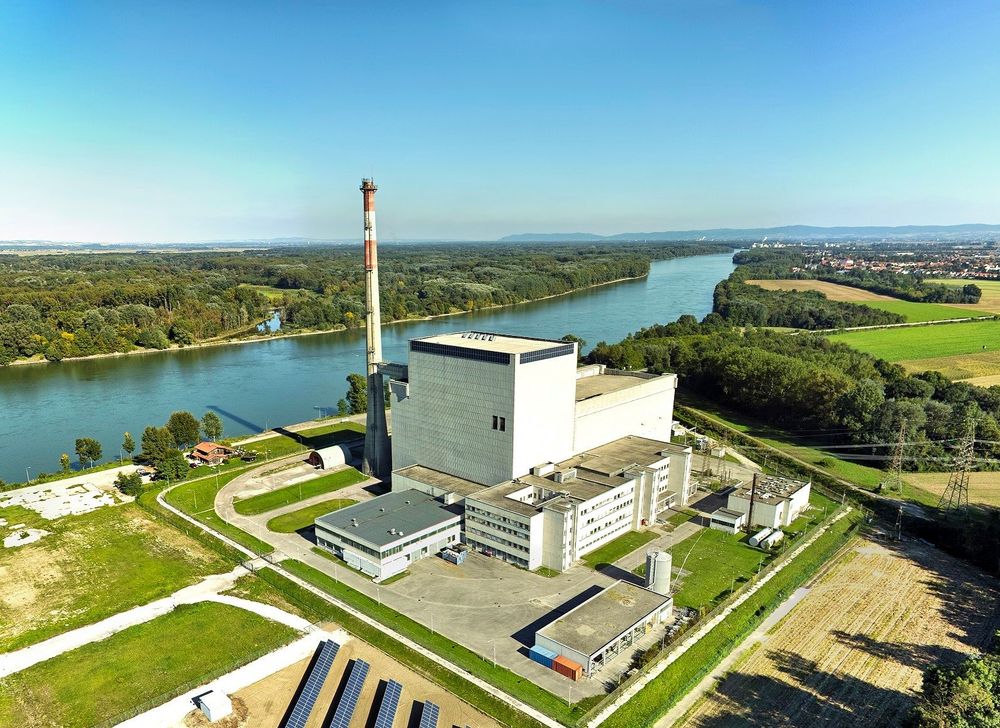
Zwentendorf Nuclear Power Plant
In the rolling Danube floodplain near Zwentendorf an der Donau, Lower Austria, stands a massive concrete complex that looks like a monument to 20th-century technology. It was Austria’s first commercial nuclear power plant — fully constructed, beautifully engineered, and ready to generate electricity — yet it never produced a single kilowatt. The story of Zwentendorf is not just an electrical engineering footnote; it is a powerful lesson in energy strategy, public trust, nuclear power acceptance, and democracy.
A Nuclear Vision in the 1970s
In the early 1970s, nuclear energy was widely seen as humanity’s future. Western Europe, the U.S., and Japan were rapidly constructing nuclear power plants to meet rising electricity demand and reduce dependence on fossil fuels. Austria wanted in. The Zwentendorf Nuclear Power Plant was conceived as the cornerstone of a national nuclear program — the first of a projected six reactors that could supply a significant share of Austria’s electricity.
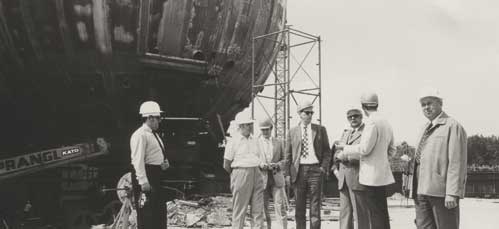
Construction began in April 1972 on a modern boiling water reactor (BWR) designed to produce about 692 megawatts of electricity. By 1976, the plant was essentially complete — turbines, control rooms, and containment structure all ready for operation. But beneath the concrete and steel, political and public resistance was swelling.
The Rise of Public Pushback
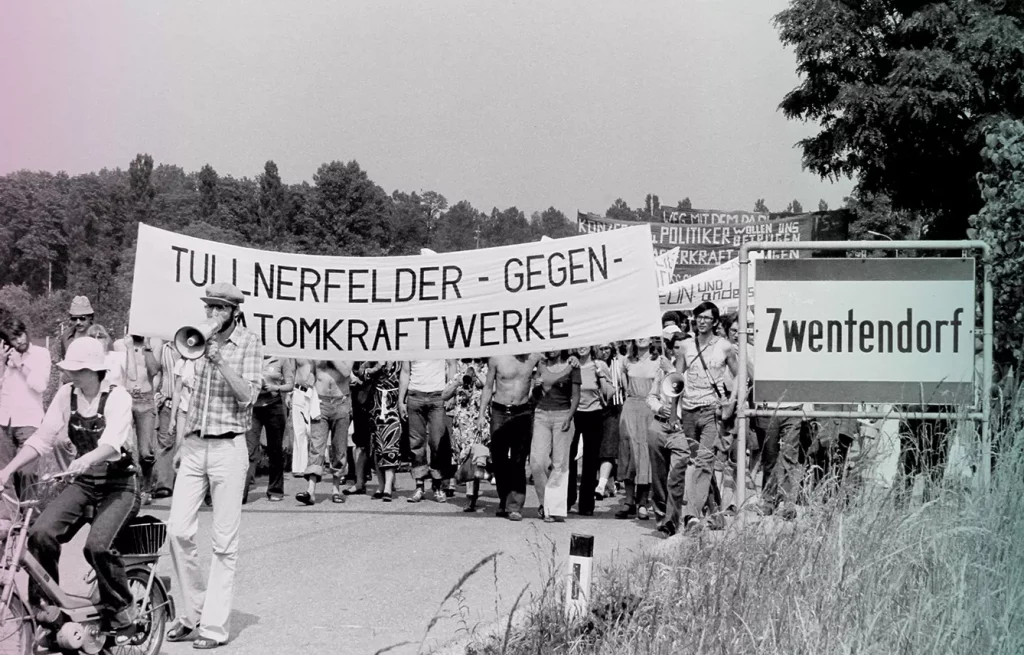
What makes the Zwentendorf case unique is not that a nuclear plant failed to open — that has happened elsewhere — but that it was completed and then never activated because of public rejection.
Public sentiment in Austria began to shift in the mid-1970s. Environmental awareness was growing across Europe, and Austria was no exception. Grassroots groups formed — bringing together activists from different backgrounds: scientists, students, mothers, teachers, heritage advocates, conservative locals, and early environmentalists. They organized under platforms such as the Initiative of Opponents of Atomic Power (IOeAG), handing out pamphlets, hosting public talks, writing letters to newspapers, and setting up information booths to educate people about nuclear energy risks. These citizens framed nuclear power as not just a technological issue but a societal one — political, environmental, and health-related.
Many Austrians began to feel that a technology with such uncertain risks shouldn’t be imposed without public consent — especially when other energy options (hydropower, fossil fuels, and early renewables) were available.
Referendum of 1978: Democracy Decides
To settle the controversy, Austrian Chancellor Bruno Kreisky — confident that the public supported nuclear power — agreed to a national referendum. On 5 November 1978, Austrians would vote on whether to allow Zwentendorf to begin operation. This was a watershed moment: a democratic decision directly on energy policy, the first national referendum in Austria post-World War II.
Voter turnout was high — about 64% — and the result was shockingly close. With a margin of less than one percent, 50.47% voted against commissioning the plant, while 49.53% voted in favor. This razor-thin majority was enough to cancel the plant’s launch.
Within a month, Austria passed a law — the Atomsperrgesetz — banning the construction or operation of nuclear power plants for electric power generation. Austria — a modern industrial nation — would remain, by law, nuclear-free.
Why the Vote Turned
A mix of social, educational, political, and psychological factors drove the referendum outcome:
1. Rising Environmental Awareness
Austria’s public became increasingly concerned about the environmental and health consequences of nuclear power, even before major nuclear accidents like Three Mile Island (1979) or Chernobyl (1986) underscored global fears.
2. Trust and Public Communication
The government, industry leaders, and nuclear proponents initially assumed the public would welcome nuclear energy. They focused technical information on benefits and downplayed risks. Opponents, however, focused on education and skepticism, selling simple pamphlets that challenged the industry narrative and building trust through transparency and community engagement. When citizens felt left out of energy decisions, support faltered.
3. Cross-Societal Participation
Austrian anti-nuclear campaigns were broad-based: not just radical greens but families, teachers, seniors, and professionals. By showing that nuclear concerns cut across social and economic lines, opponents expanded their appeal beyond activists.
4. Political Dynamics
Even political parties split or realigned based on the nuclear question. What had once been a pro-nuclear consensus dissolved as public opinion shifted, illustrating how energy policy and public sentiment can reshape political landscapes.
The Zwentendorf plant sits eerily intact today — a steel and concrete shell that never saw nuclear fuel. Over the decades, it has been repurposed for:
- Operator training and safety simulations
- Spare parts supply for other nuclear reactors
- Cultural events, guided tours, film sets, and even music festivals
- Solar energy research and photovoltaic installations
This repurposing is symbolic: the plant meant for atomic power now hosts renewable energy projects, workshops, and public education.
Lessons for Africa: Why This Mistake Cannot Be Repeated
African nations face pressing energy challenges: expanding electricity access, powering industry, and transitioning to cleaner energy sources. Many governments see nuclear as a potential solution — and indeed, nuclear power can deliver reliable baseload electricity with lower carbon emissions than fossil fuels. However, the Zwentendorf experience holds critical lessons for Africa:
1. Public Education and Trust Matter
The Austrian outcome was shaped not by technical failure but by public perception and trust. African countries contemplating nuclear must invest early and meaningfully in public education, transparent risk communication, and community engagement. Decisions made in isolation from civil society can lead to backlash, project reversals, and massive sunk costs.
2. Inclusive Decision-Making Builds Acceptance
Austria’s narrow vote showed what happens when people feel excluded from energy decisions. For African nuclear initiatives to succeed, they must include communities, local leaders, and stakeholders in consultation and co-creation — not just top-down announcements.
3. Address Nuclear Waste Concerns Proactively
One core driver of the anti-nuclear movement was the unresolved nuclear waste storage problem. African countries starting nuclear power programs will need clear, long-term plans for radioactive waste management, supported by scientific evidence and public understanding. Lack of solutions here fuels fear and opposition.
4. Build Public Confidence in Safety and Emergency Preparedness
Safety perceptions — often shaped as much by emotion as by facts — played a major role in Zwentendorf’s rejection. African governments must prioritize independent safety review boards, emergency response planning, and public drills to build confidence before reactors come online.
5. Don’t Underestimate the Power of Narrative
Opponents of Zwentendorf understood that stories and narratives matter. They humanized risks, connected with everyday concerns, and shaped a collective identity that questioned technological certainty. Nuclear proponents need to engage with public narratives, not just technical data.
The Zwentendorf Legacy
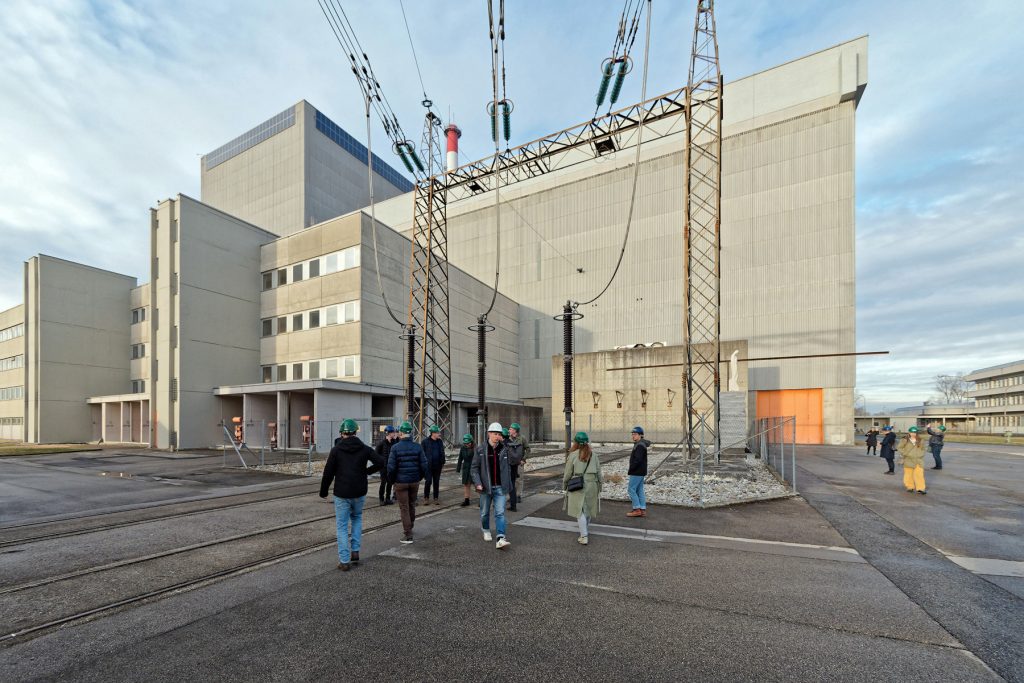
The Zwentendorf Nuclear Power Plant remains one of the most compelling case studies in global energy history — a completed nuclear reactor that was never switched on, a nation that chose a nuclear-free path, and a symbol of public voice shaping energy futures.
For nations in Africa today — many seeking to expand energy capacity while transitioning to cleaner sources — Zwentendorf is not merely a historical curiosity. It is a cautionary tale about the importance of public engagement, education, and trust in national energy planning. The plant that never powered Austria still has much to teach the world — if we choose to listen.