Rwanda IAEA INIR Phase 1 Nuclear Power Programme
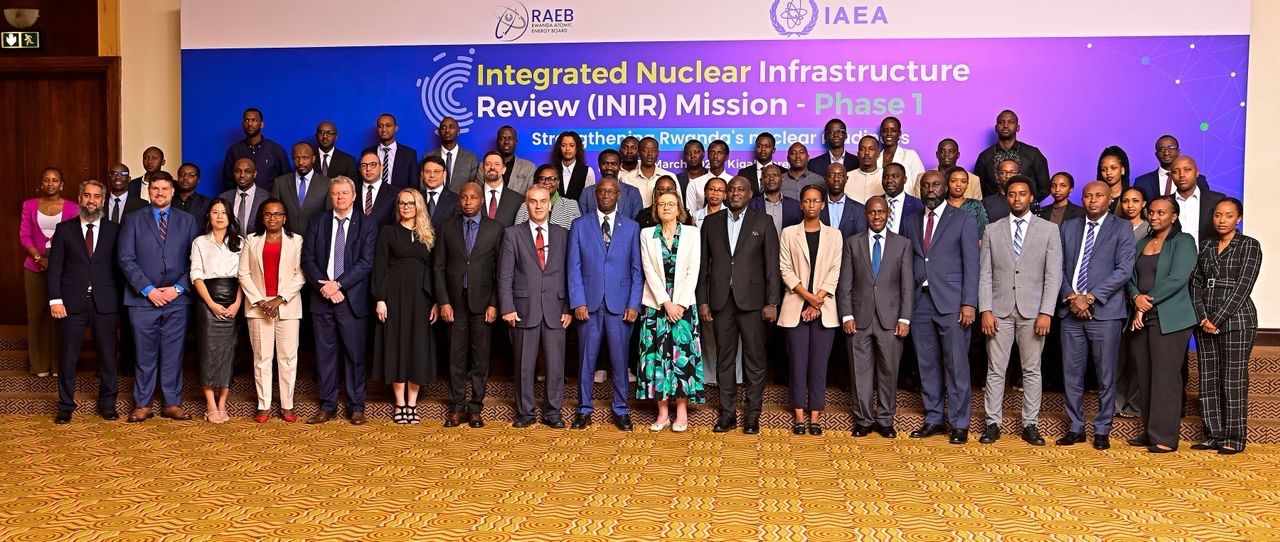
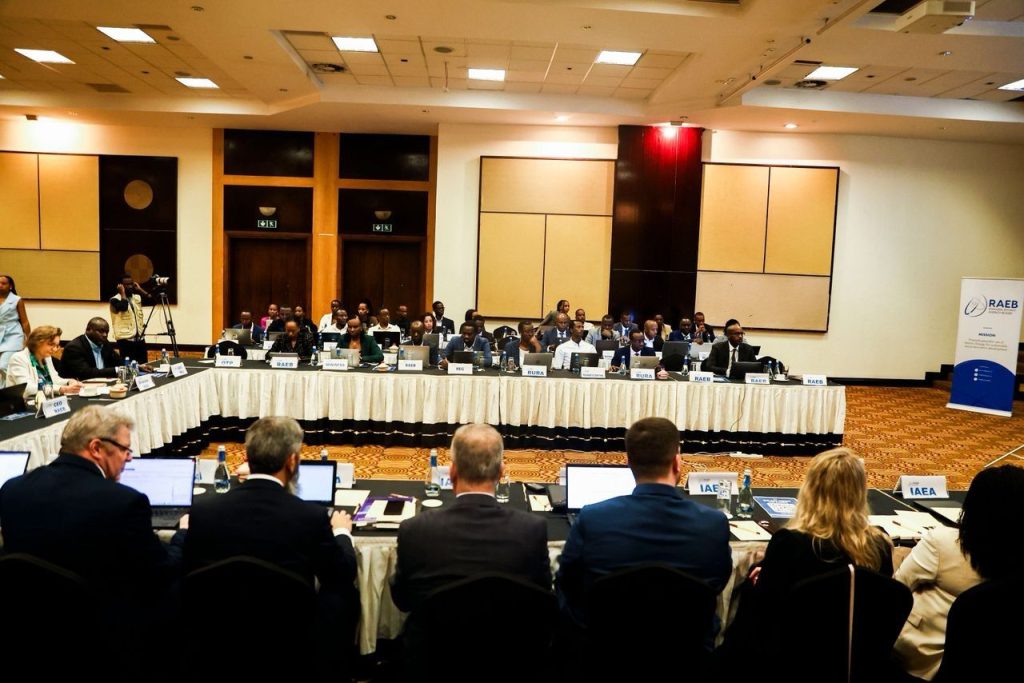
Rwanda has reached another critical milestone in its ambitious plan to introduce nuclear energy into its national power mix. This week, the Rwanda Atomic Energy Board (RAEB) is hosting the International Atomic Energy Agency (IAEA) Integrated Nuclear Infrastructure Review (INIR) Mission – Phase 1 in Kigali, marking a significant step toward establishing a safe, secure, and sustainable nuclear power programme.
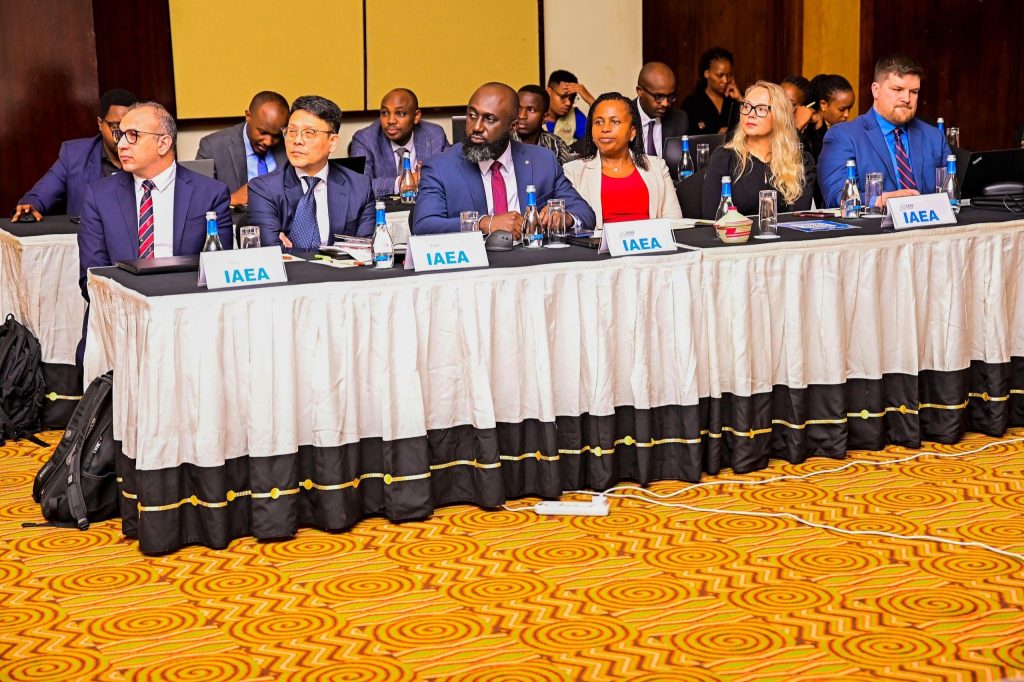
The INIR mission brings together international nuclear experts and national stakeholders to assess Rwanda’s preparedness to embark on a nuclear power project. This review reflects Rwanda’s commitment to transparency, international best practices, and responsible nuclear development.
What the IAEA INIR Mission Means for Rwanda
The IAEA’s Integrated Nuclear Infrastructure Review (INIR) is a comprehensive peer-review service designed to evaluate a country’s readiness to develop nuclear power. It assesses infrastructure across 19 key areas, including nuclear safety, regulatory frameworks, human resource development, radioactive waste management, nuclear security, financing, and stakeholder engagement.
Phase 1 of the INIR mission typically focuses on evaluating whether a country has made adequate progress in preparing the foundational infrastructure required before making a formal decision to construct a nuclear power plant.
By inviting the IAEA to conduct this mission, Rwanda demonstrates that it is aligning its nuclear energy roadmap with internationally recognized safety standards. This step reassures both domestic and international observers that Rwanda prioritizes nuclear safety, non-proliferation, and environmental protection.
Rwanda’s Growing Energy Demand and Clean Energy Transition
Rwanda continues to experience steady economic growth, urban expansion, and industrial development. These factors are driving a significant increase in electricity demand. As the country advances toward its long-term development goals under Vision 2050, ensuring reliable, affordable, and clean energy becomes essential.
Currently, Rwanda relies on a mix of hydropower, thermal generation, methane gas from Lake Kivu, solar, and imports from regional interconnections. However, hydropower output can fluctuate due to climate variability, and thermal plants rely on imported fuels, which expose the country to price volatility.
Nuclear power offers a stable baseload electricity source that operates continuously and produces minimal greenhouse gas emissions during operation. By integrating nuclear energy into its energy mix, Rwanda aims to strengthen energy security, reduce carbon emissions, and support sustainable industrialization.
During the mission’s opening session, Ms. Aline Des Cloizeaux, Director of the Nuclear Power Division at the IAEA, emphasized that the Agency stands ready to support Rwanda’s efforts. She reaffirmed that nuclear energy can help countries meet projected electricity demand while advancing the global clean energy transition.
The Role of the Rwanda Atomic Energy Board (RAEB)
The Rwanda Atomic Energy Board plays a central role in coordinating Rwanda’s nuclear development programme. Established to oversee nuclear science and technology applications, RAEB leads policy formulation, stakeholder engagement, capacity building, and international cooperation in the nuclear sector.
RAEB has consistently emphasized transparency and collaboration with international partners. Hosting the INIR Phase 1 Mission underscores Rwanda’s commitment to following the IAEA’s Milestones Approach—a structured framework guiding countries through the three phases of nuclear power development:
- Phase 1: Considerations before a decision to launch a nuclear power programme
- Phase 2: Preparatory work for construction after a decision is made
- Phase 3: Activities to implement the first nuclear power plant
By undergoing this rigorous review, Rwanda strengthens institutional capacity and ensures that it addresses any infrastructure gaps before advancing further.
Nuclear Energy in Africa: A Broader Context
Rwanda’s move aligns with a growing interest in nuclear power across Africa. Countries such as Egypt and others are at various stages of developing nuclear energy programmes. As energy demand rises across the continent, governments increasingly view nuclear power as a long-term solution for reliable baseload electricity and low-carbon development.
The IAEA continues to support African nations through technical cooperation, safety reviews, and training programmes. Rwanda’s engagement through the INIR mission positions it among forward-looking African states seeking diversified and sustainable energy solutions.
Safety, Security, and Sustainability at the Core
Introducing nuclear energy requires robust legal frameworks, independent regulatory oversight, skilled human capital, and strong public communication strategies. The INIR mission evaluates Rwanda’s progress in all these areas and provides recommendations for improvement.
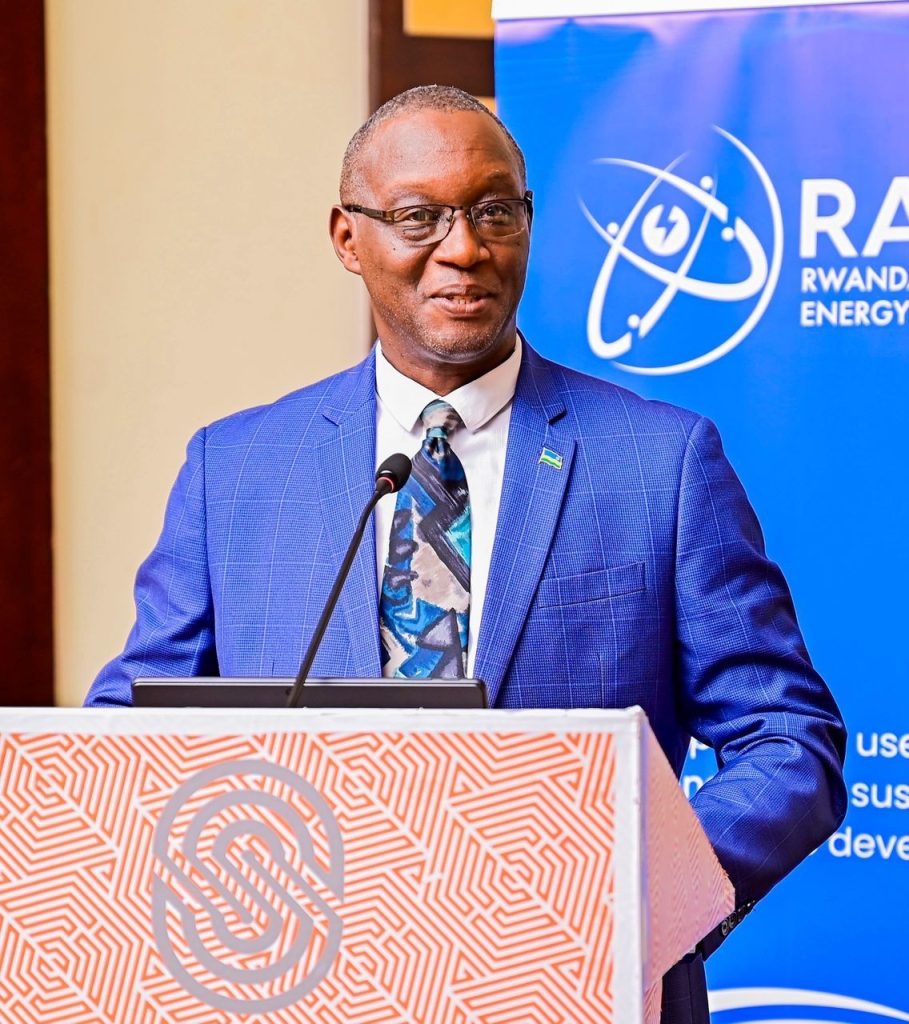
RAEB has reiterated that nuclear energy will only be introduced responsibly and in line with international safety and security standards. The government recognizes that public trust is essential for the success of any nuclear programme. Therefore, stakeholder engagement and transparent communication remain key pillars of Rwanda’s approach.
Moreover, nuclear energy aligns with global climate commitments. As countries work toward achieving net-zero emissions and meeting Paris Agreement targets, nuclear power is increasingly recognized as a low-carbon energy source capable of complementing renewables like solar and wind.
Looking Ahead
The outcome of the INIR Phase 1 Mission will provide Rwanda with an independent assessment of its readiness and clear guidance on next steps. The recommendations will help refine national strategies, strengthen regulatory institutions, and enhance human resource development.
Rwanda’s decision to host the IAEA review demonstrates seriousness, discipline, and strategic planning. By following international best practices, the country aims to ensure that nuclear energy contributes to economic growth, industrial development, job creation, and long-term energy security.
As electricity demand continues to rise and the clean energy transition accelerates globally, Rwanda positions itself at the forefront of innovative energy planning in Africa. The INIR mission marks not just a procedural review but a strategic turning point in Rwanda’s energy future.