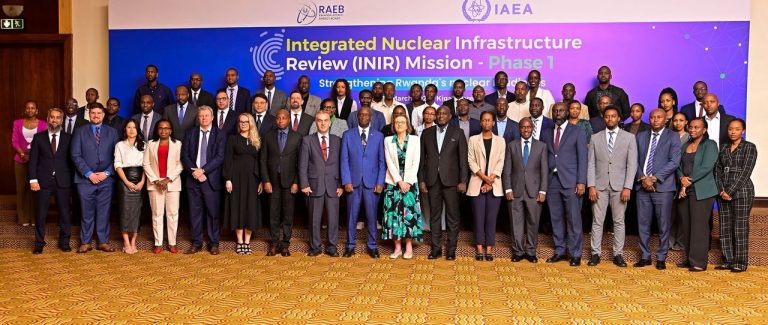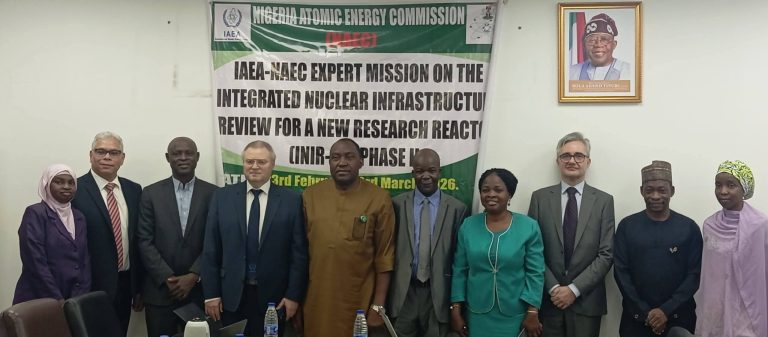
Africa’s nuclear energy ambitions are rapidly shifting from long-term policy discussions to concrete implementation, according to insights shared during the Africa Nuclear Energy Updates 2026 session hosted by the Nuclear Business Platform (NBP). The virtual event, held as a lead-up to the 5th Africa Nuclear Business Platform Conference & Exhibition scheduled for April 2026 in Abuja, Nigeria, brought together policymakers, regulators, and nuclear industry leaders to assess where the continent stands—and where it is heading next.
Speakers emphasized that nuclear power is no longer a speculative option for Africa. Instead, it is emerging as a strategic pillar for energy security, industrialisation, and climate-aligned development, particularly as electricity demand continues to surge across the continent.
Nuclear Power as a Response to Africa’s Energy Gap
Africa still faces a significant electricity deficit, with more than 600 million people lacking access to reliable power. At the same time, demand is projected to more than double by 2040 due to population growth, urbanisation, digital infrastructure expansion, and industrial development. Speakers stressed that while renewable energy remains critical, it cannot alone provide the stable baseload power required for heavy industry, data centres, rail systems, fertiliser production, and advanced manufacturing.
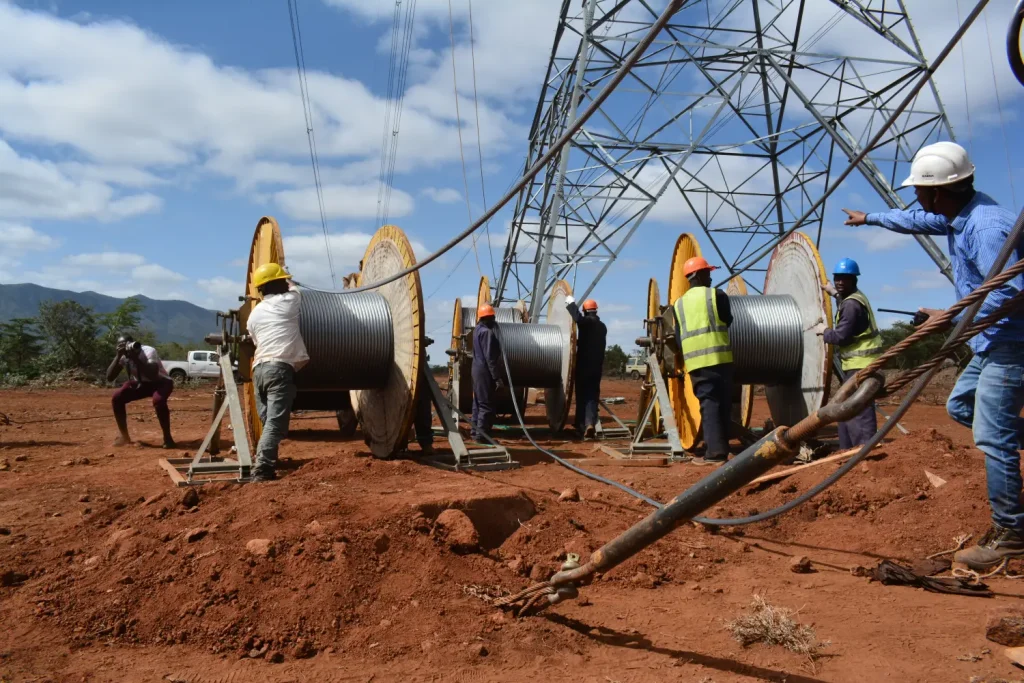
Nuclear energy, participants argued, offers a long-term solution by delivering 24/7 low-carbon electricity, price stability, and grid resilience. More importantly, it enables countries to build technical institutions, develop skilled workforces, and establish high-value industrial supply chains.
“The future of nuclear energy in Africa is not speculative. It is under construction,” one presenter stated, underscoring the shift from feasibility studies to execution.
Country Programmes Gaining Traction
Several African countries highlighted measurable progress toward nuclear deployment.
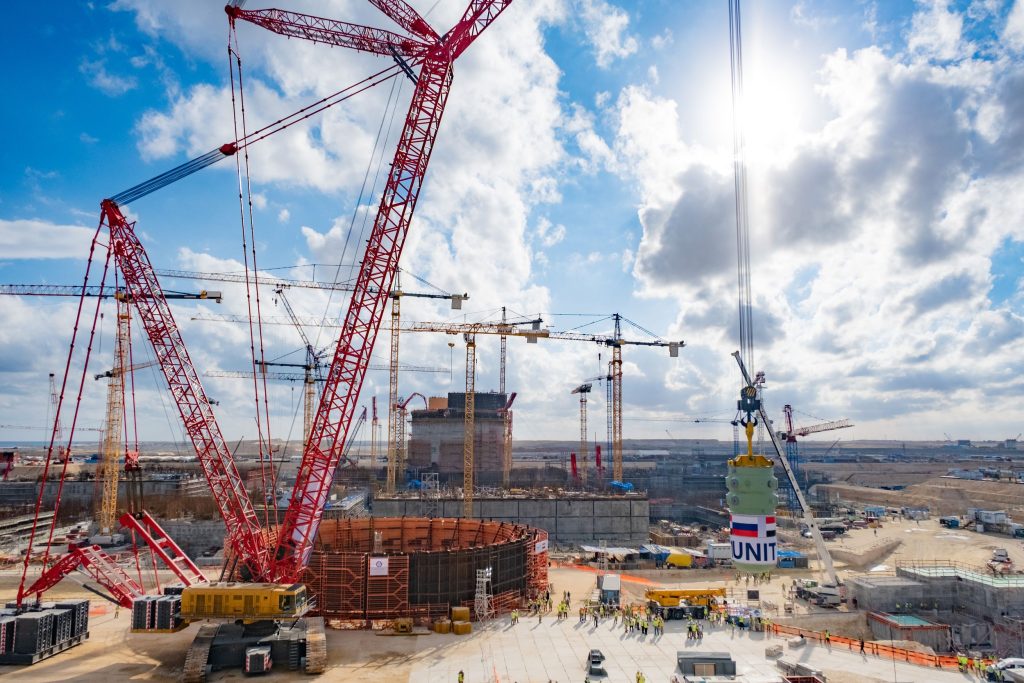
Egypt remains the continent’s most advanced nuclear newcomer, with its first reactor expected to come online by 2028. The programme has already trained more than 1,700 specialists, while local industrial participation is increasing steadily.
Kenya has made significant institutional advances, designating KenGen as the owner-operator of its nuclear power programme. The country issued a Request for Information to nuclear vendors in 2025, identified eight potential sites near Lake Victoria, and signed a cooperation agreement with the Korea Atomic Energy Research Institute. Kenya aims to begin construction in 2027 and bring 1,000 MW of nuclear capacity online by 2034.
Ghana has positioned itself as a regional leader in Small Modular Reactor (SMR) preparedness, hosting Africa’s first SMR control room simulator, launched in early 2025 with U.S. support. Ghana’s nuclear authorities confirmed that the country is in the advanced stages of infrastructure development, with a focus on site characterisation, grid integration, and financing frameworks.

Rwanda continues to pursue an innovation-driven nuclear strategy, focusing on SMR demonstration projects through partnerships with companies in North America and Europe. Uganda, meanwhile, has integrated nuclear power into its national industrialisation strategy, with a detailed site evaluation underway and a target to commission its first nuclear unit by 2031.
Nigeria, Africa’s most institutionally mature nuclear programme, reaffirmed its commitment to nuclear energy through ongoing site development, legislative reforms, and international partnerships with vendors from Russia, China, and South Korea.
Human Capital and Local Industry Take Centre Stage
Beyond power generation, speakers repeatedly highlighted nuclear energy’s role in workforce development and industrial localisation. Countries are increasingly prioritising local supplier qualification, nuclear-grade manufacturing, construction services, and quality assurance systems. Initial nuclear projects could achieve 30–40 percent local content, with higher participation expected as experience grows.
Human capital development remains both a challenge and an opportunity. Hundreds of African professionals have already received training through the International Atomic Energy Agency (IAEA) and bilateral programmes, but speakers warned that reliance on overseas training is unsustainable. Several participants called for expanded African-based nuclear education and training centres to support long-term deployment.
IAEA: SMRs Gaining Momentum in Africa
The IAEA confirmed that interest in Small Modular Reactors is accelerating across Africa. SMRs, typically producing up to 300 MW, offer flexibility for smaller grids, phased deployment, and reduced upfront capital requirements. While vendor readiness varies, the agency views SMRs as a viable pathway for many African countries entering nuclear power for the first time.
The IAEA reiterated its role in supporting member states through energy planning, safety frameworks, regulatory development, and readiness assessments using its established milestones approach.
A Continental Shift from Vision to Reality
The Africa Nuclear Energy Updates 2026 session made one message clear: African nuclear programmes have entered a decisive phase. Governments are building institutions, regulators are gaining independence, and project timelines are becoming more defined. While challenges remain—particularly in financing, governance, and public engagement—the trajectory points toward risk reduction and steady progress, not delay.
With Nigeria set to host the Africa Nuclear Business Platform Conference in 2026, stakeholders expect deeper discussions on financing models, vendor partnerships, and construction readiness. For Africa, nuclear energy is no longer a distant ambition—it is fast becoming a cornerstone of the continent’s energy and industrial future.