Ghana's IAEA Seed Mission
Ghana has reached a significant milestone in its journey towards nuclear energy with the completion of the site selection process for its first nuclear power plant. This advancement was recently confirmed by an International Atomic Energy Agency (IAEA) team of experts who conducted an eight-day safety review.
Background on Ghana’s Nuclear Ambitions
Ghana is pursuing nuclear power as part of its strategy to:
- Increase low-carbon power production
- Meet growing energy demand
- Address climate change challenges
- Enhance energy security and diversity
The SEED Mission
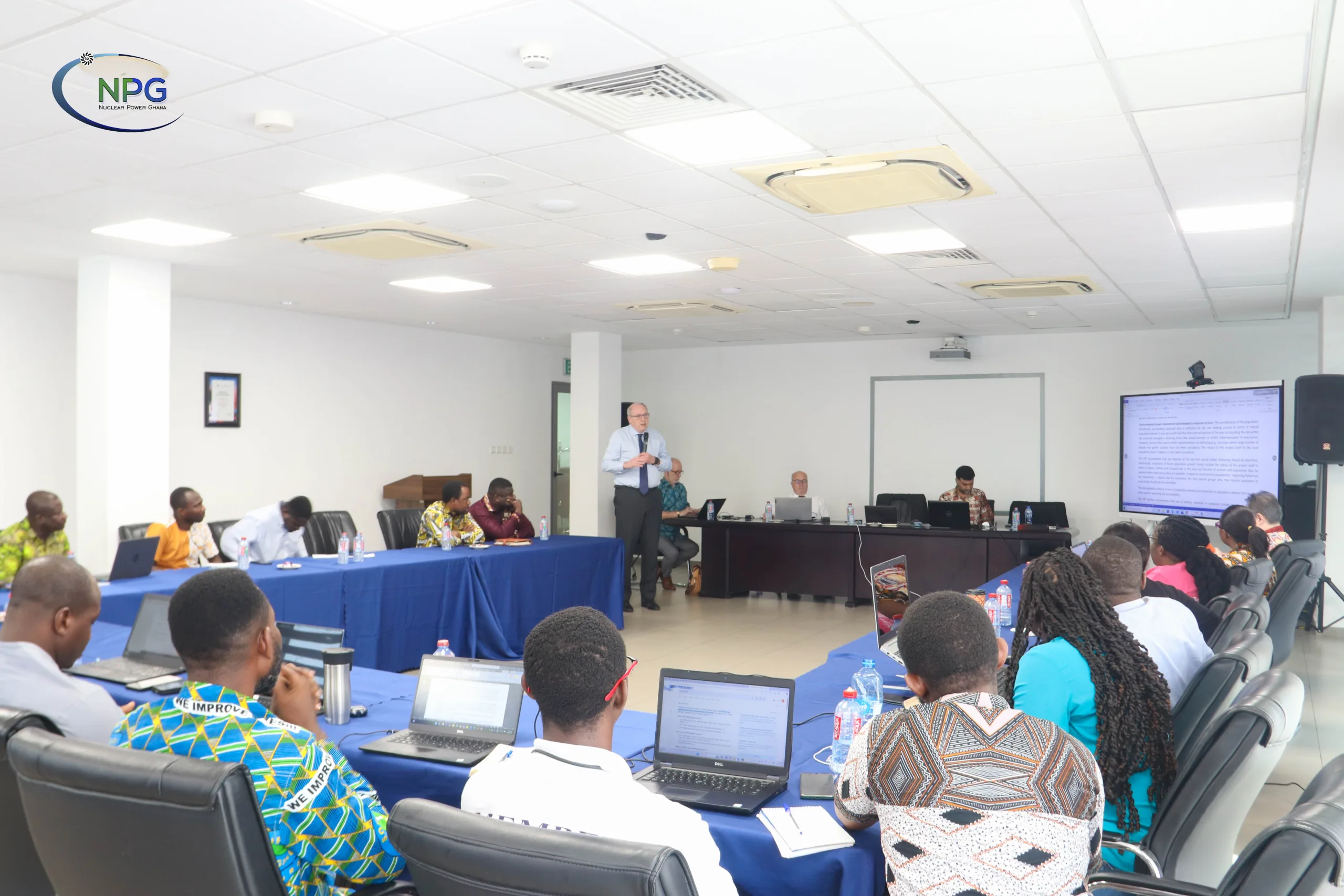
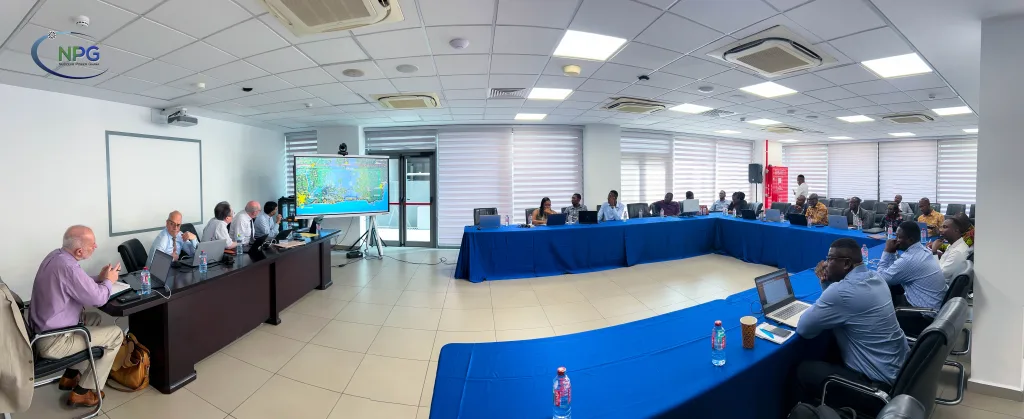
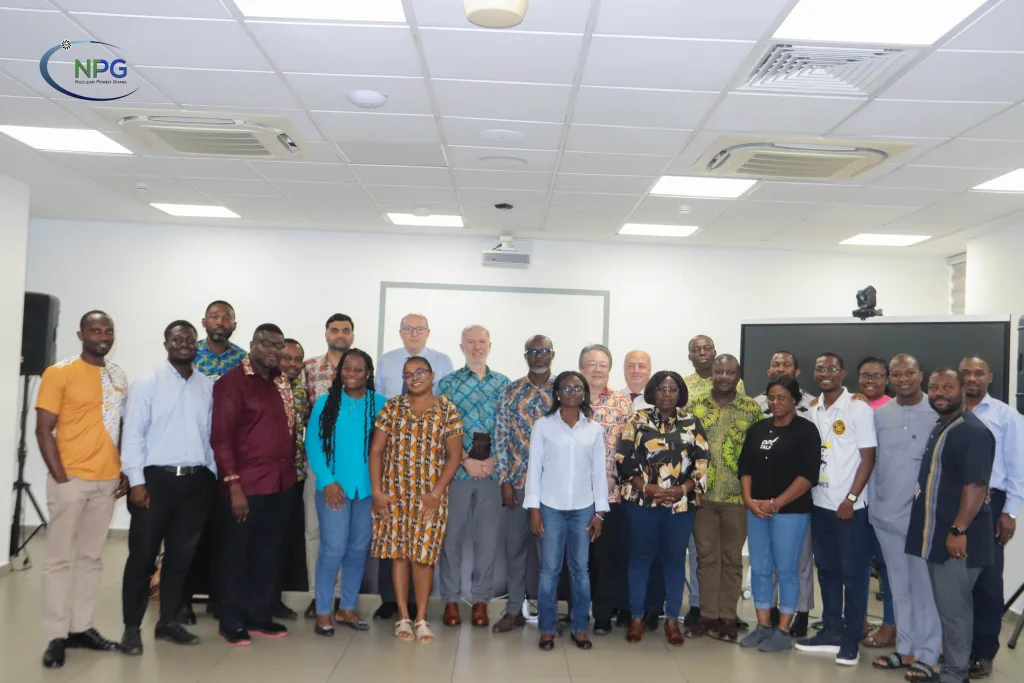
The Site and External Events Design Review Service (SEED) mission, conducted from February 14-21, was the first of its kind in Ghana. This specialized review examined Ghana’s adherence to IAEA guidance on site selection and was requested by the Ghanaian government.
The mission was hosted by Nuclear Power Ghana (NPG), under the Ministry of Energy and Green Transition’s purview. The review team included experts from Pakistan, Türkiye, the United Kingdom, and the United States, along with IAEA staff.
Scope and Findings
The IAEA team reviewed:
- The site selection report
- The siting process and criteria
- Data collection methodologies
- Management system for siting activities
They also conducted site visits to both the primary candidate site in the Western Region and the alternative site in the Central Region.
Kazuyuki Nagasawa, Senior Nuclear Safety Officer at the IAEA and mission team leader, confirmed that Ghana followed IAEA safety standards throughout the site selection process. The team noted that both the implementing organization and management system were well-designed with government support.
Key Safety Considerations
The IAEA team provided recommendations to optimize the site selection process, focusing on minimizing potential issues during the upcoming site characterization stage. Critical factors evaluated included:
- Susceptibility to earthquakes
- Vulnerability to flooding
- Resilience against extreme weather events
- Feasibility of emergency planning
Next Steps
With site selection completed, Ghana now moves to the site characterization stage of evaluation. NPG will continue receiving technical assistance from the IAEA while advancing the site approval process according to IAEA safety guidelines.
The final SEED mission report will be delivered to the Ghanaian government within three months.
Educational Context: Nuclear Power Development Process
The development of a nuclear power program follows several carefully regulated stages:
- Pre-feasibility stage: Initial assessment of energy needs and options
- Feasibility stage: Detailed evaluation of nuclear power viability
- Site selection: Identifying suitable locations based on multiple safety criteria
- Site characterization: In-depth analysis of geological, hydrological, and environmental factors
- Licensing: Regulatory approval process
- Construction: Building the plant according to approved designs
- Commissioning: Testing systems before operation
- Operation: Power generation under strict safety protocols
Ghana’s successful completion of site selection represents a crucial step in establishing the necessary infrastructure for safe nuclear power development in accordance with international standards.