Ghana has long been regarded as the “Pacesetter” of Africa. Yet in the global transition toward clean and reliable energy, the country risks being overtaken by nations that began their nuclear journeys later but are now moving forward with greater urgency.
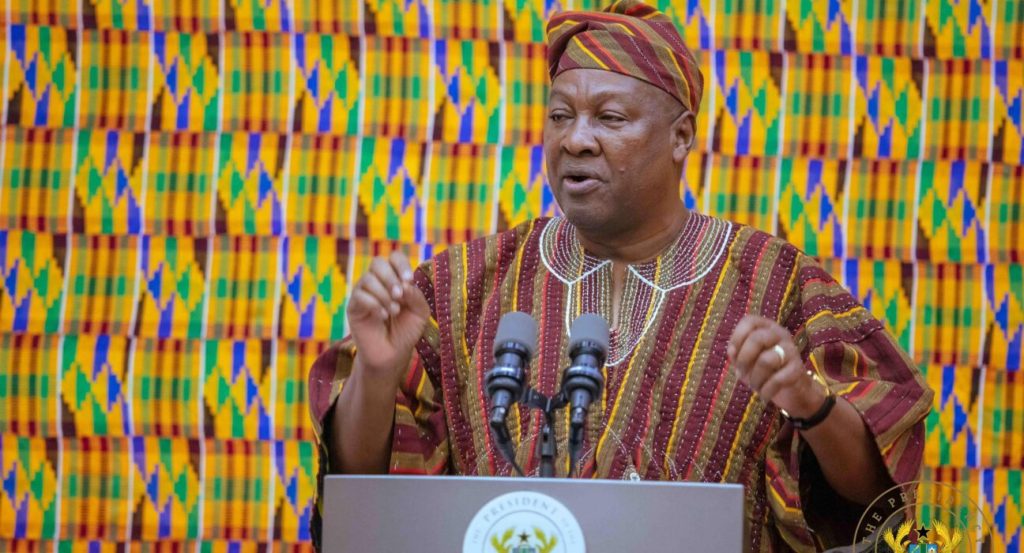
With H.E. John Dramani Mahama serving as First Vice Chair of the African Union and pursuing reforms across key sectors of the economy, there is renewed optimism about Ghana’s development agenda. The energy sector remains central to this transformation. However, one of the most strategic long-term energy options—nuclear power—has received limited public attention in recent national policy discussions.
Globally, nuclear energy is increasingly recognized as a clean, reliable, and affordable source of electricity. Many countries are expanding their nuclear fleets or launching new programmes as part of their strategies to strengthen energy security and meet climate commitments. Against this backdrop, the absence of a clear and consistent public reaffirmation of Ghana’s nuclear power programme during major national policy engagements, including the recent State of the Nation Address, has raised concern among stakeholders and energy experts.
Energy Security and Economic Transformation
Across both developed and developing economies, energy security is increasingly regarded as a matter of national security. Reliable electricity underpins industrial growth, investor confidence, and long-term economic transformation. For a country with a young and growing population, dependable energy supply is essential for job creation and economic competitiveness.
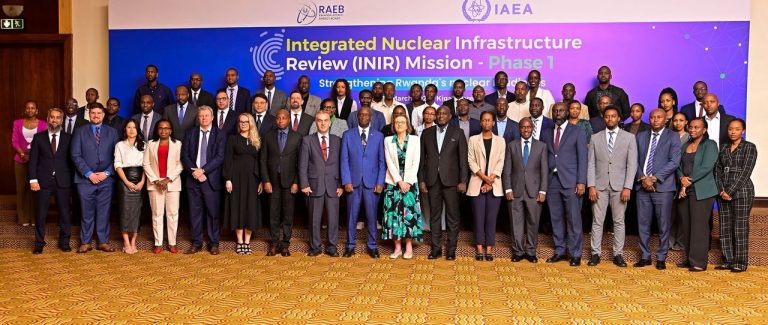
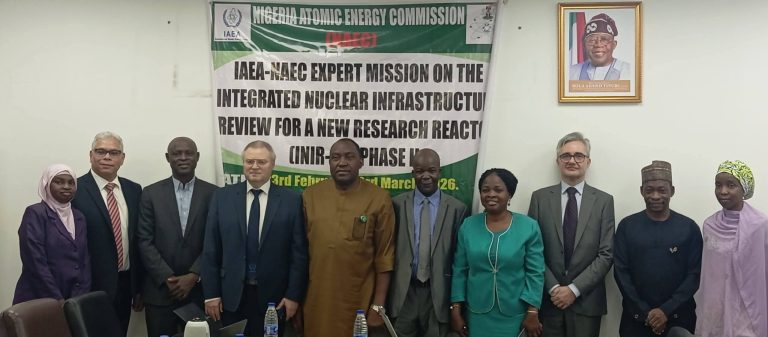
Ghana’s nuclear power programme has historically been among the most advanced in Africa outside South Africa. According to the International Atomic Energy Agency milestones approach, Ghana is classified as a Phase 2 country, alongside Kenya and Nigeria, while several other African countries remain in earlier stages of development.
Despite this technical progress, several newcomer countries are demonstrating strong political commitment to nuclear energy development. If these countries commission nuclear power plants ahead of Ghana, history may record that one of Africa’s earliest pioneers hesitated while others moved forward decisively.
A Legacy of Strategic Vision
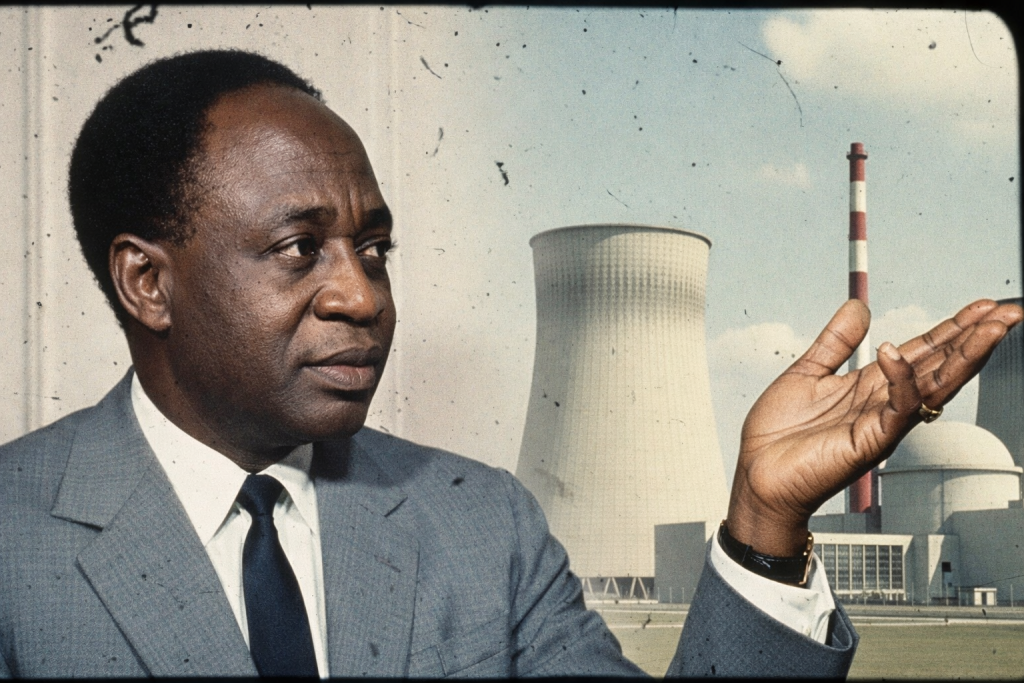
Today, several African countries are advancing their nuclear programmes. South Africa has operated commercial nuclear power plants for decades, while Egypt is currently constructing multiple nuclear power units. In comparison, Ghana’s long-standing nuclear ambition now requires renewed momentum and sustained national commitment.
Balancing Renewable Energy with Reliable Baseload Power
In the recent State of the Nation Address, the Government emphasized its commitment to renewable energy, particularly solar power. Renewable energy remains essential for achieving climate objectives and expanding electricity access, especially in rural communities. However, renewable energy alone cannot provide the stable and continuous electricity required to support sustained economic growth.
Solar and wind energy are inherently intermittent and therefore require dependable baseload power to maintain grid stability. Nuclear power provides continuous electricity generation regardless of weather conditions and typically operates at capacity factors exceeding 90 percent.
While planned solar installations are expected to make an important contribution to Ghana’s generation mix, Ghana’s proposed nuclear power programme is designed to deliver over 1,600 megawatts of stable and continuous electricity capacity that would significantly strengthen the country’s long-term energy outlook.
Reliable baseload electricity is critical for manufacturing, mining, digital infrastructure, healthcare systems, and transportation networks. Countries pursuing rapid economic growth rely on stable energy systems that combine renewable energy with dependable baseload generation.
If Ghana is to become a competitive industrial hub within the region, a balanced energy mix that includes nuclear power will be essential.
Planning Beyond Political Cycles
Nuclear power projects require long-term planning, bipartisan commitment, and sustained investment. Unlike shorter-term infrastructure projects, nuclear power plants cannot be completed within a single electoral cycle. As a result, nuclear development demands a national vision that transcends political timelines.
Ghana’s electricity demand continues to grow as a result of population expansion, urbanization, industrialization, and emerging technologies such as electric mobility. Rising fuel import costs and periodic supply challenges further underscore the need for stable and predictable long-term energy solutions.
Nuclear power offers long-term price stability and reduces dependence on imported fossil fuels, making it a strategic investment in national energy security.
Building on Existing Strengths
Ghana has already established many of the foundational elements required for a successful nuclear power programme:

- A functioning research reactor
- A trained and experienced nuclear workforce
- Strong partnerships with the International Atomic Energy Agency
- An established nuclear regulatory framework
- Dedicated atomic energy institutions
These achievements represent decades of sustained investment and capacity building. The remaining requirement is consistent policy commitment supported by decisive action.
The Way Forward
Nuclear power should be treated not as a legacy ambition but as a strategic national priority. Clear policy direction and consistent public communication will strengthen confidence among investors, development partners, and the Ghanaian public.
Public education initiatives can address safety concerns, while innovative financing approaches including public–private partnerships and international cooperation can help overcome investment barriers.
Ghana does not lack expertise or institutional capacity. What is needed now is renewed urgency and sustained commitment.
The central question remains: Will Ghana reaffirm its leadership in African nuclear energy, or will it allow others to move ahead while its own programme remains in waiting?