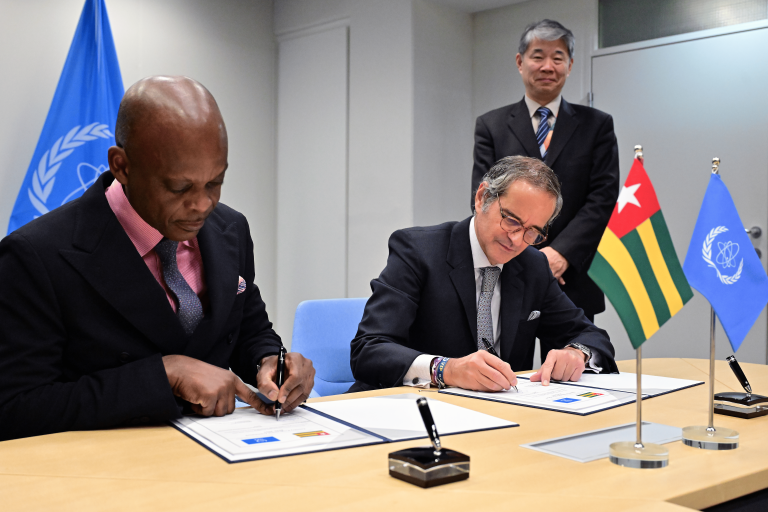
Ghana’s ambition to incorporate nuclear energy into its energy mix marks a significant step toward sustainable development and long-term energy security. With rising energy demands and a focus on clean, reliable, and efficient energy sources, the country has embraced nuclear power as a cornerstone of its national energy strategy. Since the landmark decision in 2008 following the Adzei-Bekoe Committee’s Report, Ghana has steadily built the necessary framework for a peaceful nuclear power program.
The Foundation of Ghana’s Nuclear Energy Program
The Ghanaian government officially included nuclear energy in its national energy policy and strategy in 2010. This bold move was followed by a formal declaration to the International Atomic Energy Agency (IAEA) in 2012, signaling the country’s intent to develop nuclear power for peaceful purposes.
To spearhead this effort, the Ghana Nuclear Power Programme Organisation (GNPPO) was established to oversee the implementation of the program. Operating under the Ministry of Energy, the GNPPO coordinates the development of nuclear infrastructure, ensuring that the country meets the IAEA’s milestones for introducing nuclear power safely and responsibly. Specialized national working groups were also formed to address specific areas of nuclear infrastructure development.

As a central player in Ghana’s nuclear agenda, the Ghana Atomic Energy Commission (GAEC) facilitates technical and scientific advancements for the nuclear program. Acting on behalf of the government and the GNPPO, GAEC established the Nuclear Power Centre (NPC) in 2014 to provide technical expertise and support. This initiative laid the groundwork for significant progress.
In 2015, the NPC was upgraded to the Nuclear Power Institute (NPI), which has since become a key driver in Ghana’s nuclear power efforts. The NPI’s vision is to assure long-term energy security through a safe and sustainable nuclear energy program. Its mission revolves around delivering safe, clean, efficient, and reliable nuclear energy while building local capacity to manage and operate nuclear power facilities.
NPI’s Mandate and Core Functions
The Nuclear Power Institute is tasked with supporting Ghana’s nuclear energy ambitions by focusing on safety, efficiency, and capacity-building. Its specific mandates include:
- Promoting nuclear knowledge and technology: Educating the public and stakeholders about the benefits and safety of nuclear energy.
- Planning and managing peaceful uses of nuclear energy: Coordinating efforts to ensure compliance with international standards.
- Advising on nuclear technology selection: Offering technical input on the choice of reactors and plant designs.
- Research and development in nuclear power technology: Conducting operational research and innovation to enhance efficiency.
- Supporting nuclear power investment: Guiding financial strategies for plant construction and management.
- Providing technical consultation: Assisting with energy development strategies and plant operation manage
What They Do
Localization & Stakeholder Support Centre (LSSC)
The LSSC develops and implements an open and transparent programme that responds effectively to stakeholders’ material issues and ensures local content in the delivery of Ghana’s nuclear power programme. We are committed to safety, competency building and assurance creation. Our processes are coherent and focused to the attainment of specific objectives required for the success of Ghana’s nuclear power programme. The core responsibilities of the LSSC embrace 3 infrastructural issues required for the implementation of a nuclear power programme.
Localization & Stakeholder Support Centre handles three (3) infrastructural issues namely,
- Stakeholder Engagement and Localisation
- Industrial Involvement
- Human Resource Development
Nuclear Energy Planning Centre (NEPC)
The Nuclear Energy Planning Centre (NEPC) is one of the centres established under the Nuclear Power Institute (NPI). The NEPC has the mandate to undertake all techno-economic studies while accessing the technical conditions of candidate Nuclear Power Plant (NPP) designs. This is to ensure that the candidate NPP designs and associated technologies are objectively assessed against laid down conditions, the constraints and the needs of the country, so that the most suitable design is selected. The centre also assists in the assessment of the national and regional electrical grid network to fulfil the set conditions under the Nuclear Power programme.
In the Nuclear Power Programme, the centre handles six (6) infrastructural issues namely,
- National position
- Energy planning
- Funding financing
- Nuclear fuel cycle
- Radioactive waste management
- Procurement and Electrical grid.
Nuclear Programme Management Centre (NPMC)
The Nuclear Program Management Centre (NPMC) of the Nuclear Power Institute is responsible for the National Position and Management aspects of the necessary nineteen (19) infrastructural issues in developing nuclear power.
The Centre is mandated to:
- Align all nuclear power-related work processes and procedures to ensure all facets of the program development are harmoniously knitted.
- Deliver on all programme requirements for quality control and quality assurance
- Coordinate all NPP documentation issues
- Manage & maintain NPI’s Information & Communication Technology (ICT) Infrastructure
Nuclear Safety Assessment Centre (NSAC)
The main goal of the Nuclear Safety and Assessment Center is conducting all safety, security, and environmental-related activities leading to the selection of suitable sites for Ghana’s Nuclear Power Installation. In addition, to review our national emergency preparedness plan to ensure nuclear power is fully covered. This goal contributes towards the overall objective of Ghana’s Nuclear Power Program
The Nuclear Safety Assessment Centre handles six (6) infrastructural issues namely,
- Siting
- Environmental Protection
- Emergency Planning
- Nuclear Security
- Nuclear Safety
- Safeguards
Public Relations and Information Centre (PRIC)
Public Relations and Information Centre (PRIC) works on aspects of Stakeholder Involvement, which is one of the 19 infrastructure issues. The Centre’s overall mandate is to prosecute the public relations and general communication activities of the institute. Among other things, the centre seeks to undertake the following:
- Identify all critical public and to plan and execute the appropriate communication campaigns;
- Maintain and update information on the organisation’s website;
- Analyse media coverage and fashion the best media relations in order to maximize press agentry;
- Deal with enquiries from the public, the press, and related organisations;
- Speak at public interviews, press conferences and presentations;
- Produce press releases, speeches, articles, reports, newsletters etc
- Maintaining and updating information on the organisation’s website;
- Manage the PR aspect of a potential crisis situation.
The Institute is Currently Headed by Archibold Buah-Kwofie, Ph.D as the acting Director.