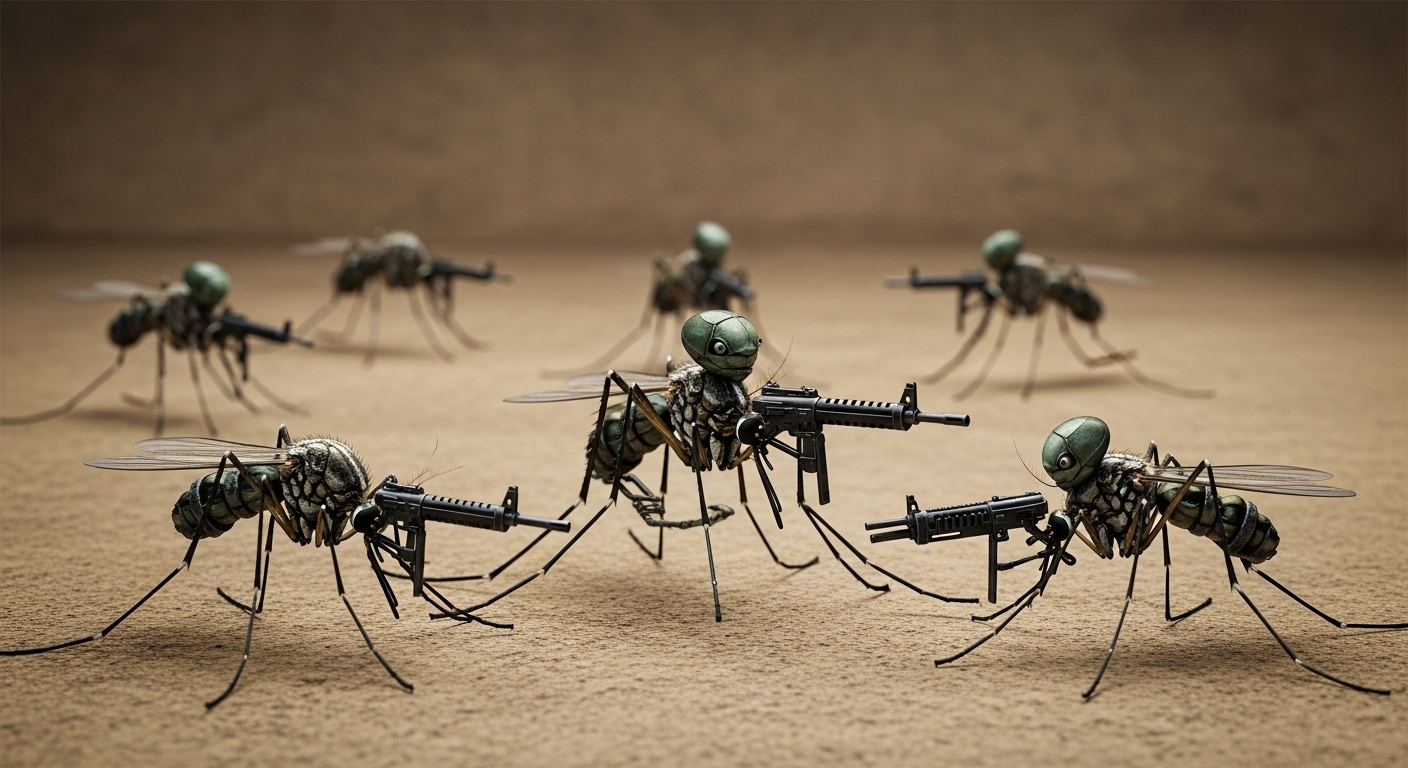
Malaria continues to drain Africa’s strength. Every year, the continent records the overwhelming majority of global malaria cases and deaths, with children under five the most vulnerable. According to the World Health Organization (WHO), Africa accounts for roughly 95% of global malaria cases and deaths. The disease weakens economies, disrupts education, overloads health systems, and traps families in cycles of poverty.
For decades, governments have relied on insecticide-treated nets, indoor residual spraying, and antimalarial drugs. These tools have saved millions of lives. But mosquitoes are adapting. The WHO has repeatedly warned about growing insecticide resistance across Africa, which threatens to reverse progress made over the last twenty years. When the mosquito evolves, the strategy must evolve too.
Now, nuclear science offers Africa a powerful new weapon.
The Science Behind the Breakthrough
The game-changing innovation is called the Sterile Insect Technique (SIT). The International Atomic Energy Agency (IAEA), in partnership with the Food and Agriculture Organization (FAO), has spent years developing and refining this nuclear-based method for pest and vector control.
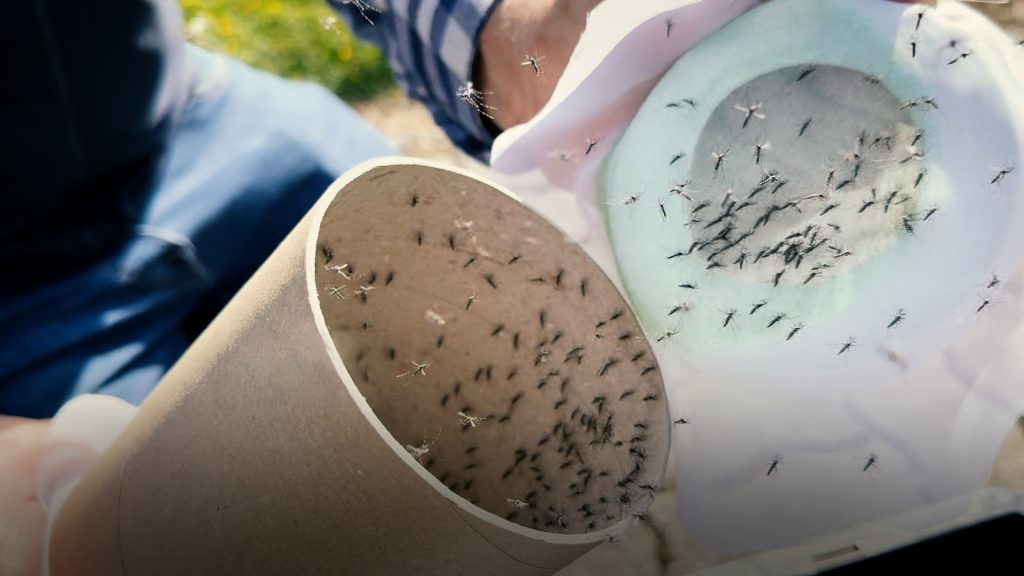
Here’s how it works:
Scientists mass-rear male Anopheles mosquitoes — the species responsible for transmitting malaria. They then expose these males to carefully controlled doses of ionizing radiation. The radiation sterilizes them without making them radioactive. When released into the wild, these sterile males mate with wild females. The result? No offspring.
When enough sterile males are released consistently over time, the mosquito population crashes. No chemicals. No genetic modification. No environmental contamination. Just biology and precision nuclear science.
The IAEA explains the technology in detail here:
🔗 https://www.iaea.org/topics/malaria
Proven Success: This Is Not Theory
SIT is not experimental guesswork. It has already eliminated or suppressed agricultural pests in multiple countries. In Africa, nuclear techniques helped control the tsetse fly population in parts of Senegal, dramatically reducing livestock losses.
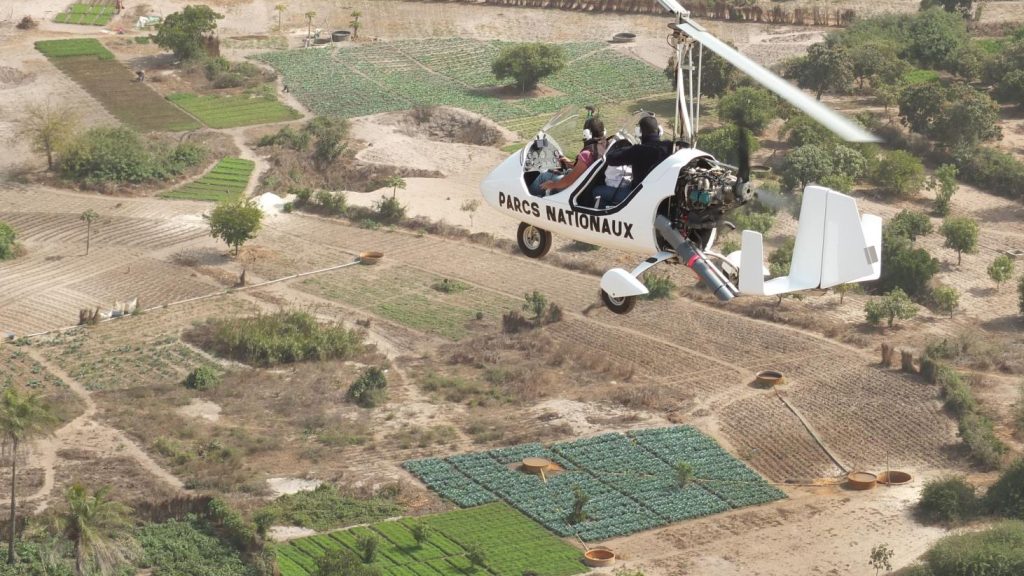
This is the same scientific principle now being applied to malaria vectors.
The WHO’s data on insecticide resistance reinforces why new tools like SIT are urgent:
🔗 https://www.who.int/teams/global-malaria-programme/prevention/vector-control/insecticide-resistance
Africa cannot spray its way out of malaria forever. Resistance is rising. Innovation must lead.
Why Nuclear Technology Is Africa’s Strategic Advantage
- It bypasses insecticide resistance.
Sterile mosquitoes do not rely on chemicals. Resistance becomes irrelevant. - It protects the environment.
Only male mosquitoes are released — and male mosquitoes do not bite humans. The radiation is applied in controlled laboratory settings; released insects are not radioactive. - It integrates with existing tools.
Bed nets, vaccines, diagnostics, and treatment remain critical. SIT strengthens them by attacking the root source — the vector population itself. - It offers long-term suppression potential.
With sustained releases and proper geographic targeting, local elimination becomes achievable.
Several African countries, including South Africa and Ghana, are working with the IAEA on mosquito mass-rearing and irradiation research. These collaborations build continental expertise in nuclear applications for public health — not just energy production.
Economic and Social Impact
Malaria costs Africa billions annually in healthcare spending and lost productivity. Businesses lose manpower. Children miss school. Rural communities suffer repeated outbreaks.
Imagine reducing malaria transmission by 70–90% in high-burden regions through integrated vector suppression. Hospital admissions drop. Drug demand decreases. Workforce productivity rises. Tourism strengthens. Governments redirect health budgets to other priorities.
This is not just a health intervention. It is an economic transformation strategy.
What Must Happen Next
To move from pilot projects to continent-wide impact, Africa must:
- Invest in regional mosquito mass-rearing and irradiation facilities.
- Strengthen nuclear regulatory frameworks to support peaceful applications.
- Build skilled human capital in entomology, radiation biology, and public health.
- Integrate SIT into national malaria elimination strategies.
- Educate the public to avoid misinformation about radiation.
Public communication is crucial. Nuclear technology in health must be explained clearly: sterile mosquitoes are not radioactive, and SIT does not alter human DNA or ecosystems.
Transparency builds trust. Trust enables scale.
The Bigger Picture: Nuclear Beyond Power
When many Africans hear “nuclear,” they think only of electricity generation. But nuclear science plays major roles in cancer treatment, food preservation, water management, and now vector control.
Malaria eradication could become one of the most powerful examples of how nuclear technology directly saves African lives.
If Africa embraces innovation boldly — combining vaccines, diagnostics, traditional vector control, and nuclear-based SIT — the continent can move from malaria control to malaria elimination.
The mosquito has dominated Africa for centuries. Nuclear science now offers a way to dominate the mosquito.
The question is no longer whether the technology works. The question is whether Africa will scale it fast enough.