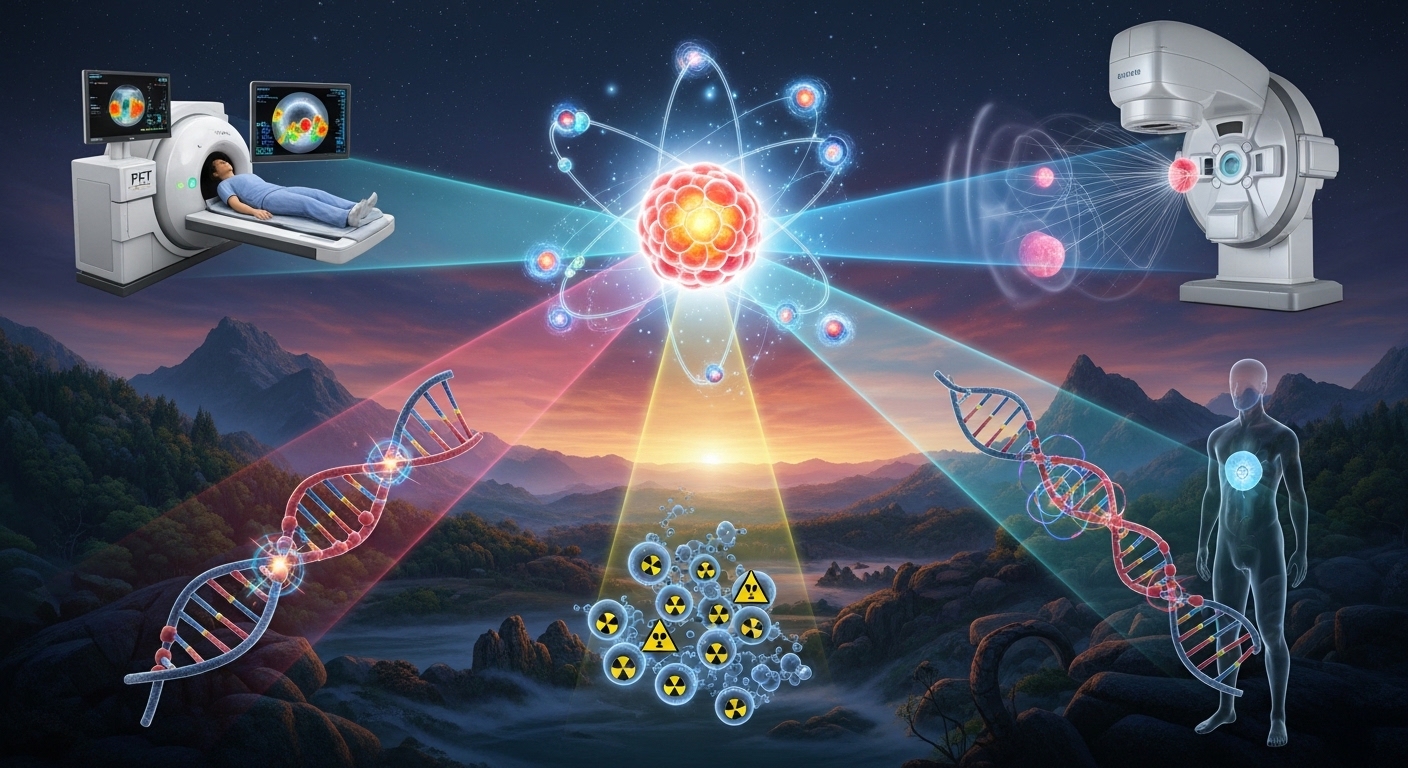
Yesterday was World Cancer Day, and across the globe, people shared inspiring survivor stories, wore ribbons, and posted messages of hope. But beyond the hashtags and heartfelt tributes lies a powerful truth many people rarely talk about:
Nuclear science has completely changed the trajectory of cancer treatment.
Not in theory. Not in a “maybe someday” way. But in real hospitals, real treatment centres, and real lives saved—every single day. When most people hear the word nuclear, they think of bombs, disasters, or political tension. Yet, one of the greatest gifts nuclear technology has given humanity is something far more personal: a fighting chance against cancer.
Cancer Was Once a Death Sentence for Many
Before modern medicine, cancer diagnosis often meant fear, helplessness, and waiting. Doctors had limited tools. Surgery could remove tumours only when detected early. Chemotherapy was still evolving, and many cancers remained untreatable.
Then nuclear science entered the picture—not as a weapon, but as a tool of healing.
Today, nuclear medicine stands as one of the most effective pillars of modern oncology. It helps doctors detect cancer earlier, track tumour spread, and destroy cancer cells with precision. In many cases, nuclear technology has turned cancer from a terminal illness into a manageable condition.
The Nuclear Breakthrough: Seeing What the Eye Cannot See
One of the most powerful changes nuclear medicine introduced was visibility. Cancer is dangerous partly because it grows quietly. It can spread before symptoms appear. But nuclear imaging changed that.
Techniques like PET scans (Positron Emission Tomography) and SPECT scans allow doctors to see metabolic activity inside the body. Instead of simply spotting a lump, doctors can identify whether cells are behaving like cancer long before tumours become obvious.
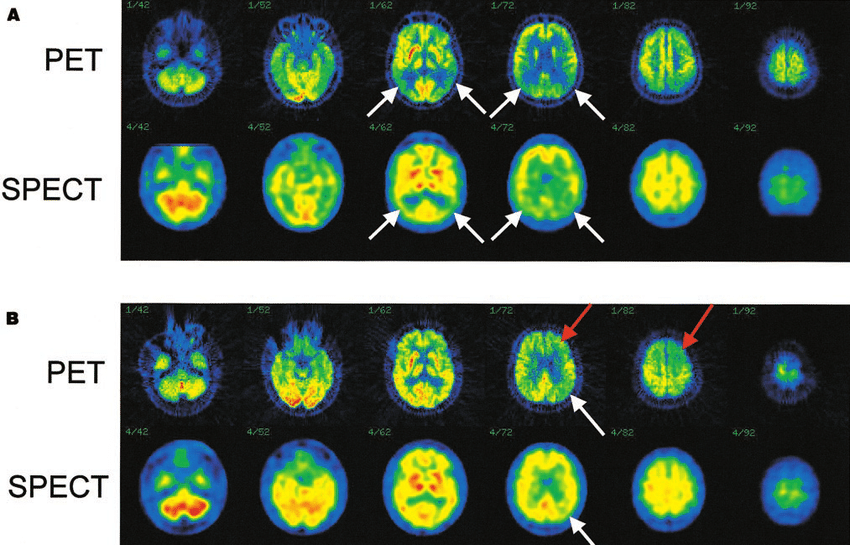
This is why early cancer detection has improved so dramatically in the last few decades. A PET scan doesn’t just show structure. It shows function. It tells doctors: Is this cancer active? Is it spreading? Is treatment working? That one ability has saved millions of lives.
Radiotherapy: A Nuclear Weapon Against Cancer Cells
If nuclear imaging is the “eyes” of cancer treatment, then radiation therapy is the sword. Radiotherapy uses controlled radiation to destroy cancer cells. Unlike chemotherapy, which circulates through the entire body, radiotherapy targets specific areas with precision.
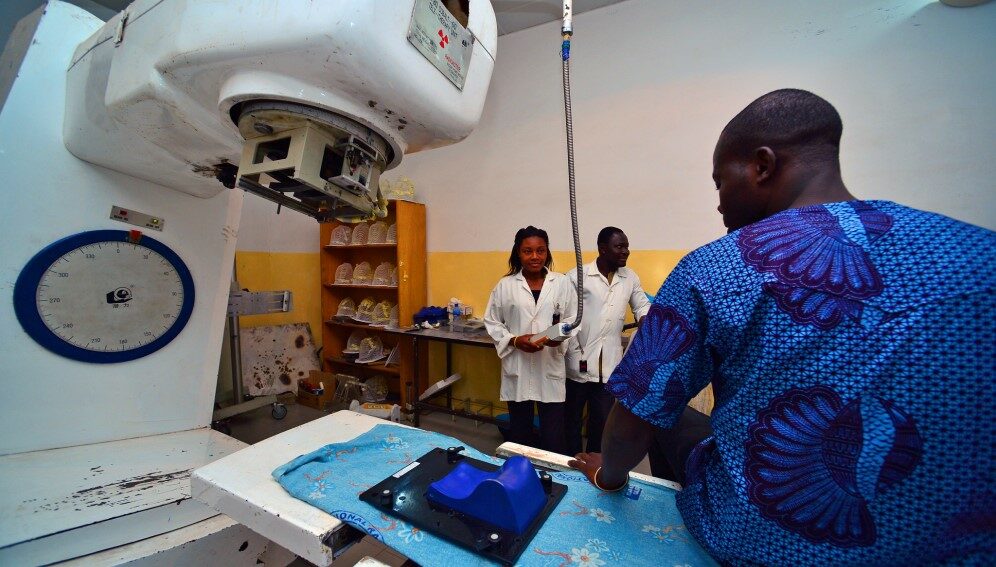
Modern cancer care relies heavily on advanced radiotherapy methods such as:
- External beam radiotherapy
- Proton therapy
- Brachytherapy (internal radiation therapy)
- Image-guided radiation therapy (IGRT)
These methods allow doctors to attack tumours while protecting surrounding healthy organs. This is critical for cancers in sensitive areas such as the brain, breast, prostate, and cervix. In fact, for cancers like prostate cancer, radiotherapy often offers survival outcomes comparable to surgery—sometimes with fewer long-term complications. This is nuclear science at its best: powerful, controlled, and lifesaving.
Targeted Radiotherapy: Treating Cancer Like a Sniper, Not a Bomb
Perhaps the most exciting evolution is targeted radionuclide therapy. Instead of blasting radiation broadly, doctors now use radioactive substances that seek out cancer cells. These substances attach to tumour-specific molecules, delivering radiation directly into the cancer. This approach is transforming the treatment of cancers such as:
- Thyroid cancer
- Neuroendocrine tumours
- Lymphoma
- Metastatic prostate cancer
A famous example is Iodine-131 therapy, which has treated thyroid cancer successfully for decades. Patients swallow a capsule, and the radioactive iodine naturally concentrates in thyroid tissue, destroying cancer cells from the inside. This is not science fiction. This is standard hospital treatment.
And today, newer therapies like Lutetium-177 (Lu-177) are offering hope to patients with advanced cancers who previously had limited options.
Nuclear Medicine Also Helps Doctors Avoid Overtreatment
Not every tumour requires aggressive surgery or harsh chemotherapy. Sometimes, the best decision is careful monitoring. Nuclear imaging helps doctors make these decisions confidently. It reduces unnecessary surgeries, prevents misdiagnosis, and ensures patients receive the most appropriate treatment plan.
In an age where healthcare costs rise and patients fear overtreatment, nuclear technology supports smarter, more accurate medical decisions.
The Human Side: Nuclear Science Means More Birthdays
Behind every scan and every radiation dose is a person.
A mother who wants to watch her children graduate.
A father who refuses to give up.
A young woman hoping cancer doesn’t steal her future.
A child whose parents pray for a miracle.
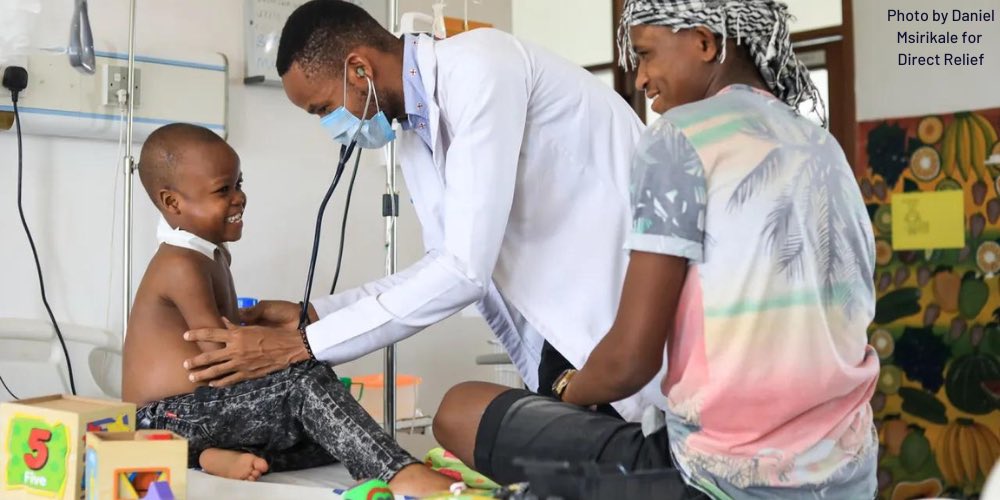
Nuclear medicine is not cold technology. It is time. It is hope. It is more birthdays, more anniversaries, more second chances. When a doctor says, “We caught it early,” nuclear imaging often played a role. When a patient says, “The tumour shrank,” radiotherapy may have delivered the breakthrough.
When someone survives stage-four cancer, targeted radionuclide therapy may have made the difference.
Why Africa Must Pay Attention
For Africa, the relevance of nuclear medicine is growing rapidly. Cancer rates are rising due to population growth, lifestyle changes, and improved diagnosis. Yet many countries still lack radiotherapy centres, PET scanners, and nuclear medicine specialists. This gap is dangerous. Because cancer does not wait.
Investing in nuclear technology for healthcare is no longer optional—it is essential. Countries that strengthen radiation oncology, medical isotope supply, and nuclear diagnostic imaging will save thousands of lives and reduce long-term healthcare burdens.
A World Cancer Day Reflection
World Cancer Day reminds us that cancer is not just a medical battle. It is an emotional war fought in families, communities, and hospitals. But it also reminds us of something powerful: Human innovation can turn fear into progress.
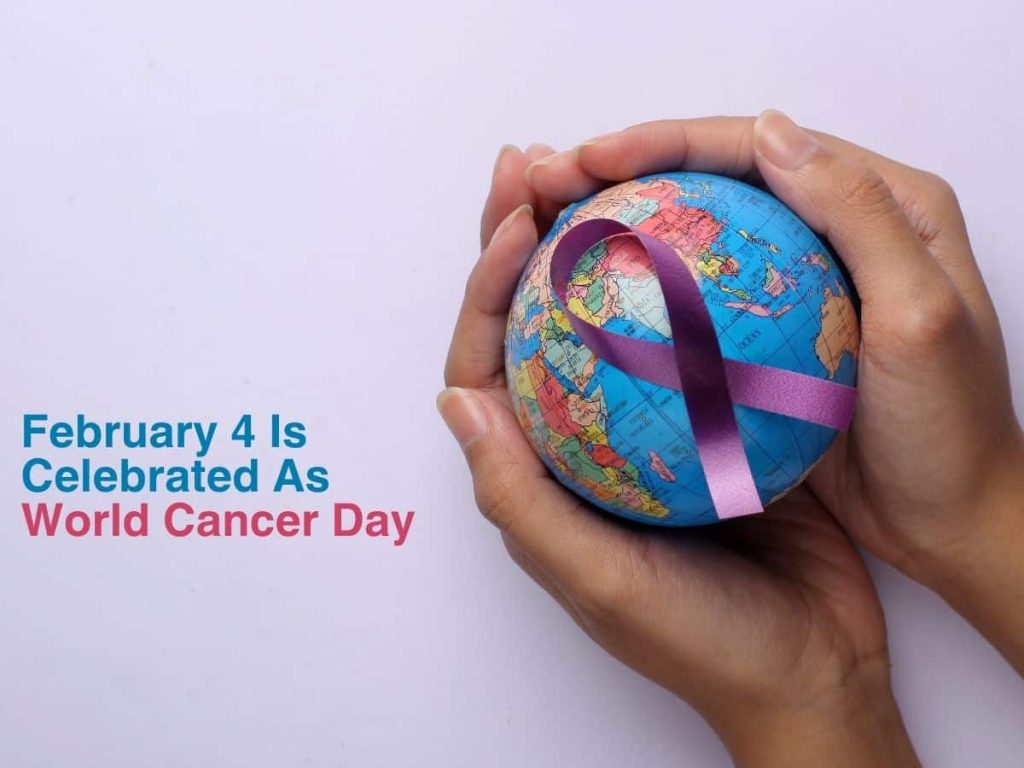
Nuclear science once represented destruction to many minds. Today, it represents one of humanity’s strongest tools for healing.
It detects what cannot be seen.
It targets what cannot be touched.
It treats what once seemed untreatable.