Nuclear non-proliferation is a key issue in global security, with the goal of preventing the spread of nuclear weapons and ensuring that nuclear technology is used for peaceful purposes. The Nuclear Non-Proliferation Treaty (NPT), adopted in 1968, is the primary international agreement aimed at achieving these objectives. While much of the focus has historically been on nuclear-armed states and regions of geopolitical tension, Africa’s role in nuclear non-proliferation is increasingly important. The continent’s stance on nuclear disarmament and non-proliferation reflects its commitment to peace, stability, and sustainable development. This article explores the concept of nuclear non-proliferation, the efforts of African nations in supporting it, and the challenges and opportunities the continent faces in this area.
The Nuclear Non-Proliferation Treaty (NPT)

The NPT, often regarded as the cornerstone of global efforts to prevent the spread of nuclear weapons, was established with three main objectives:
- Non-proliferation – Preventing the spread of nuclear weapons and nuclear weapon technology.
- Disarmament – Promoting the reduction and eventual elimination of nuclear weapons.
- Peaceful use of nuclear energy – Encouraging the peaceful use of nuclear energy under safeguards to ensure it is not diverted to weapons programs.
The treaty divides countries into two categories: nuclear-weapon states (NWS) and non-nuclear-weapon states (NNWS). The five recognized nuclear-weapon states under the NPT— the United States, Russia, China, France, and the United Kingdom—are committed to nuclear disarmament, while NNWS agree to forgo developing or acquiring nuclear weapons.
Africa’s Commitment to Nuclear Non-Proliferation
Africa has long been a strong advocate for nuclear non-proliferation and disarmament, and this commitment is embedded in the continent’s policies and international agreements. Africa’s efforts are driven by the recognition that nuclear weapons pose a serious threat to global peace and security, and their proliferation could destabilize the region.

1. The African Nuclear-Weapon-Free Zone (AFRASF)
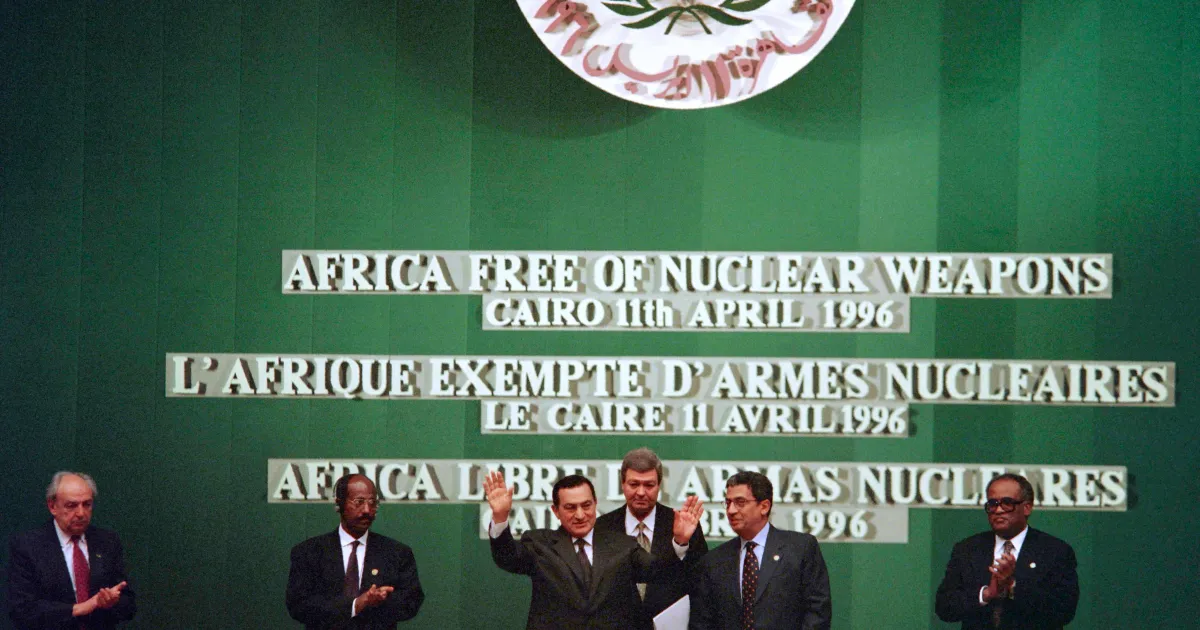
One of the most significant contributions Africa has made to nuclear non-proliferation is the creation of the African Nuclear-Weapon-Free Zone (ANWFZ). The Treaty of Pelindaba, which came into force in 2009, established the zone, effectively prohibiting the development, acquisition, or deployment of nuclear weapons on the African continent. The treaty also ensures that nuclear materials and facilities are used only for peaceful purposes, subject to safeguards.
The Pelindaba Treaty is a regional agreement that aligns with the global non-proliferation regime and strengthens Africa’s voice in international nuclear disarmament discussions. It emphasizes the need for nuclear security and safety across the continent, acknowledging the potential risks of nuclear technology while supporting its peaceful application, such as in energy generation, medicine, and agriculture.
2. Participation in the Nuclear Non-Proliferation Treaty (NPT)
Africa has shown strong support for the NPT, with all 54 African countries being signatories to the treaty. The continent’s involvement in the NPT has helped shape global discussions on nuclear non-proliferation. In 1996, for example, the African Group at the United Nations pushed for a comprehensive nuclear test ban, which culminated in the adoption of the Comprehensive Nuclear-Test-Ban Treaty (CTBT) in 1996.
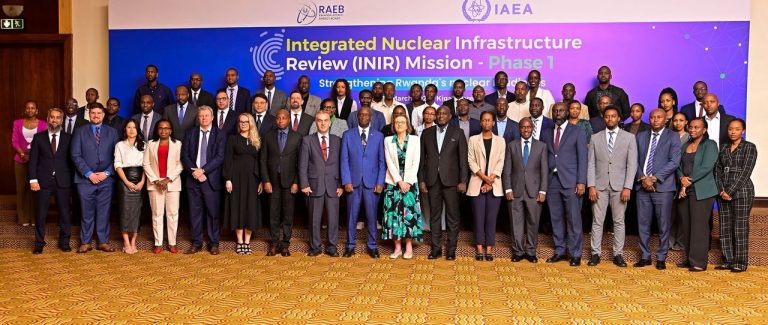
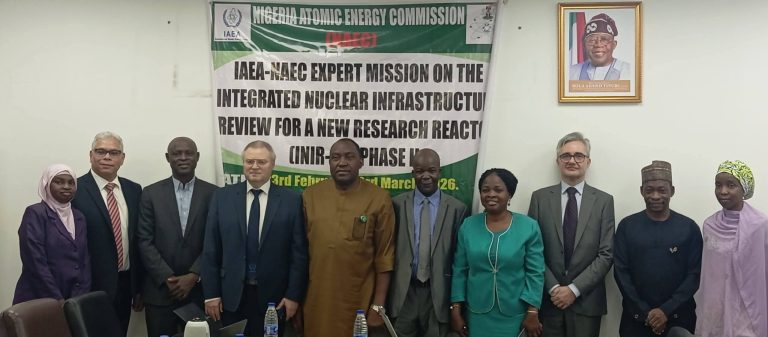
Africa also actively participates in the International Atomic Energy Agency (IAEA), which is responsible for promoting the peaceful use of nuclear technology while ensuring that nuclear material is not diverted to weapons programs. Through the IAEA, African nations have access to technical assistance and resources to build and maintain nuclear infrastructure safely and securely.
3. Nuclear Disarmament and Africa’s Role in Global Advocacy
Africa has been a vocal advocate for nuclear disarmament at the United Nations and other international forums. The continent’s stance on disarmament is rooted in the belief that nuclear weapons serve no legitimate security purpose and instead pose a risk to all of humanity. African leaders have consistently called for the complete elimination of nuclear weapons and supported initiatives like the United Nations’ “Humanitarian Initiative,” which highlights the catastrophic humanitarian consequences of nuclear war.
Africa’s commitment to disarmament is not merely a reaction to external threats; it also reflects the region’s unique historical context. Many African nations emerged from colonialism and conflict with a strong desire to promote peace and stability. For them, the spread of nuclear weapons is a threat to these ideals.