Nuclear waste management is a critical issue in countries with nuclear power programs. For Africa, as a continent that is exploring nuclear energy for its economic development and sustainability, managing nuclear waste presents both a challenge and an opportunity. Effective governance of nuclear waste management (NWM) is essential for safeguarding public health, the environment, and ensuring the sustainable use of nuclear energy. This article explores the governance frameworks, challenges, and potential solutions related to nuclear waste management in Africa, addressing the key issues of safety, regulatory oversight, public engagement, and international collaboration.
The Nuclear Energy Landscape in Africa
Africa has significant interest in nuclear energy, as many countries on the continent seek to harness nuclear power to address energy shortages, promote industrialization, and mitigate the impacts of climate change. Countries such as South Africa, Egypt, and Nigeria have been at the forefront of nuclear energy development. South Africa is currently the only African country with an operational nuclear power plant (Koeberg Nuclear Power Station), which has been generating electricity since the 1980s.
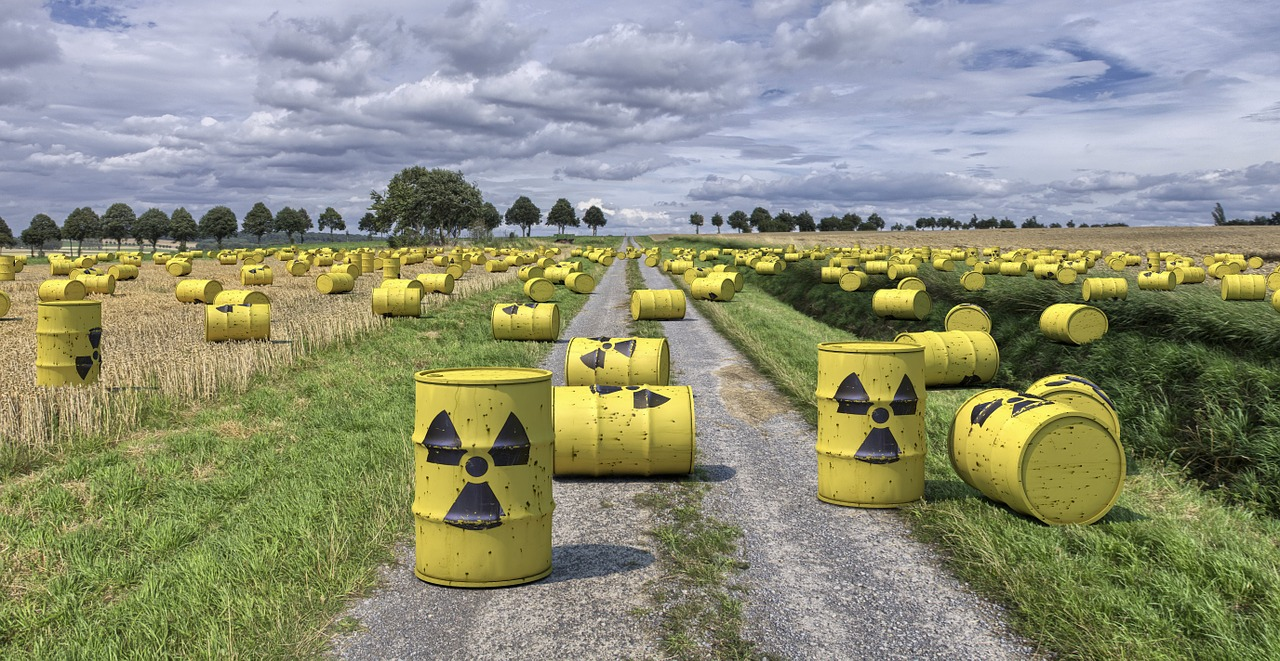
However, as more African nations explore nuclear energy, they must confront the pressing challenge of managing nuclear waste safely and sustainably. Nuclear waste includes radioactive materials generated from nuclear reactors, medical facilities, research institutions, and other industrial uses of nuclear technology. Proper management of this waste is essential to minimize risks of radiation exposure and environmental contamination.
Key Components of Nuclear Waste Management Governance
Effective governance of nuclear waste management in Africa requires a comprehensive approach that includes regulatory frameworks, institutional structures, technical expertise, and international collaboration. Several key components play a crucial role in ensuring the safe management of nuclear waste:
1. Legal and Regulatory Frameworks
The governance of nuclear waste in Africa must be underpinned by strong legal and regulatory frameworks. These frameworks ensure that nuclear waste is managed safely, with clear guidelines on its storage, transport, treatment, and disposal. In many African countries, the establishment of national regulatory bodies is a crucial first step.
For instance, South Africa has the National Nuclear Regulator (NNR), which oversees the regulation of nuclear safety and waste management in the country. Similarly, Egypt has a nuclear regulatory framework in place to ensure the safe operation of its nuclear activities. However, many other African nations still lack robust legal and regulatory frameworks, which presents a gap in governance.
2. Institutional Arrangements
Institutions involved in nuclear waste management must coordinate effectively at the national and regional levels. The role of these institutions is to ensure that the necessary technical, financial, and human resources are available to handle nuclear waste. National nuclear agencies or regulators are typically responsible for overseeing nuclear waste management policies and their implementation.
In South Africa, for example, the South African Nuclear Energy Corporation (NECSA) plays a central role in research and development on nuclear waste management, particularly in relation to radioactive waste disposal and storage technologies. Countries with nascent nuclear energy programs will need to establish similar institutions with appropriate technical expertise.
3. Radioactive Waste Management Strategies
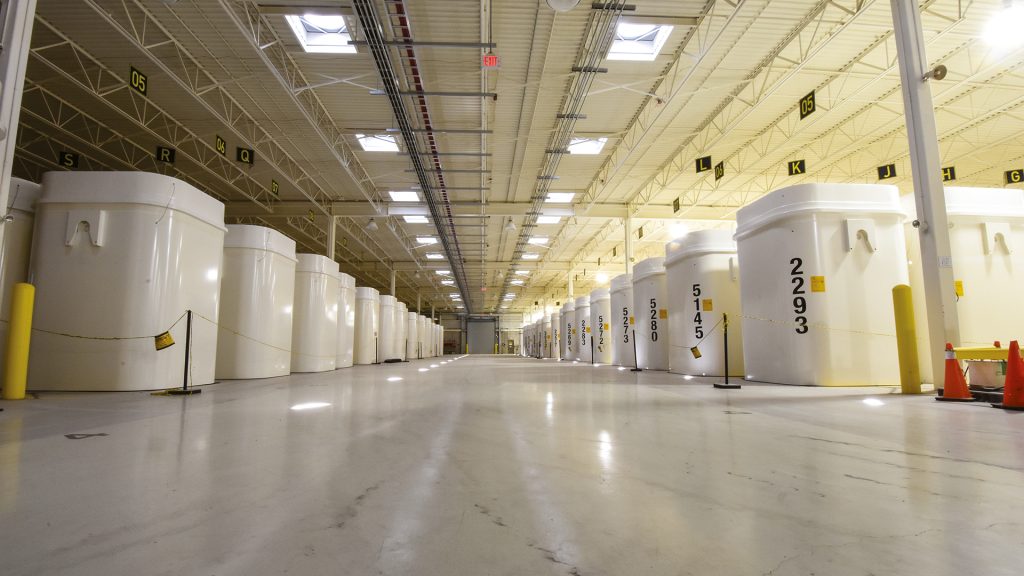
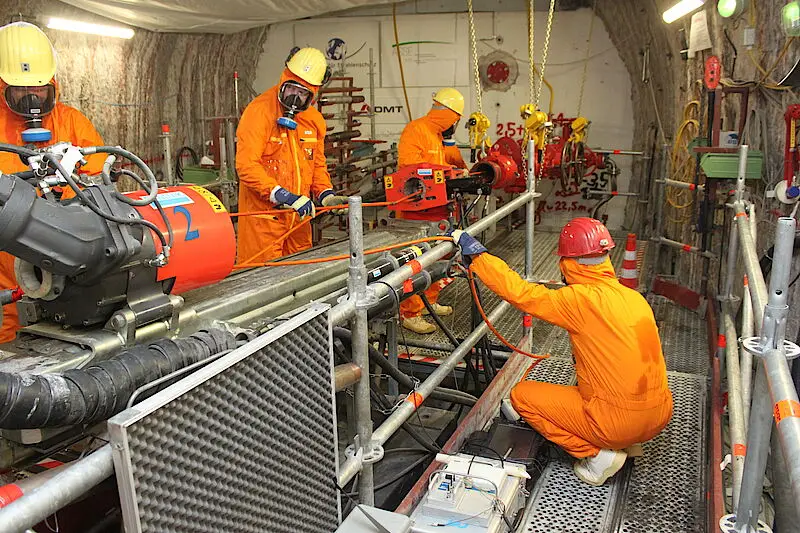
The management of radioactive waste typically involves several stages: collection, storage, transport, treatment, and final disposal. Most nuclear waste is categorized into high-level waste (HLW), intermediate-level waste (ILW), and low-level waste (LLW). Each type of waste requires different management techniques and facilities.
A key governance challenge in Africa is the capacity for the treatment and disposal of high-level waste, which remains radioactive for thousands of years. For this reason, long-term storage solutions, such as deep geological repositories, are considered ideal for disposing of high-level waste. However, there is currently no deep geological disposal facility in Africa. This creates a governance gap, as countries must rely on international collaboration or build their own facilities with the necessary expertise and funding.
4. Public Engagement and Transparency
Public engagement and transparency are critical components of effective governance in nuclear waste management. African governments and regulators must foster public trust by ensuring that all activities related to nuclear waste management are conducted transparently. This includes involving local communities in decision-making processes, conducting public consultations, and ensuring access to information about the risks and safety measures associated with nuclear waste.
Involving stakeholders in decision-making processes is essential for minimizing opposition to nuclear energy and waste management activities. For example, in South Africa, the public has been involved in consultations about the proposed expansion of nuclear energy, including discussions on the safe management of radioactive waste.
5. International Collaboration and Capacity Building
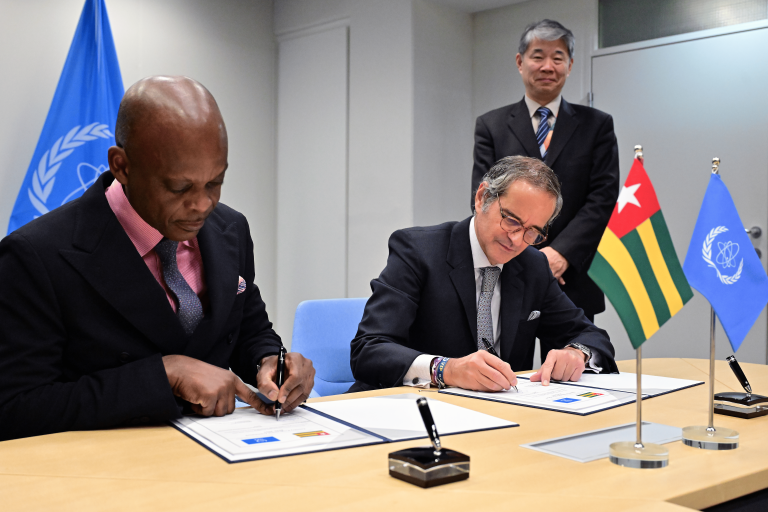
Nuclear waste management is a global issue, and many African countries rely on international collaboration for technical support, expertise, and financial resources. International organizations, such as the International Atomic Energy Agency (IAEA) and the African Atomic Energy Agency (AAEA), play an essential role in providing technical guidance and capacity-building programs for African countries involved in nuclear energy.
The IAEA, for instance, offers assistance in developing national nuclear waste management strategies, conducting safety assessments, and establishing regulatory frameworks. The African Regional Cooperative Agreement (AFRA), established by the IAEA, is another platform through which African countries can share knowledge and best practices in nuclear technology, including waste management.
Countries such as South Africa have already signed agreements with the IAEA and other international entities to access technical assistance and resources for nuclear waste management. However, for many countries, building domestic technical expertise and infrastructure remains a significant challenge.