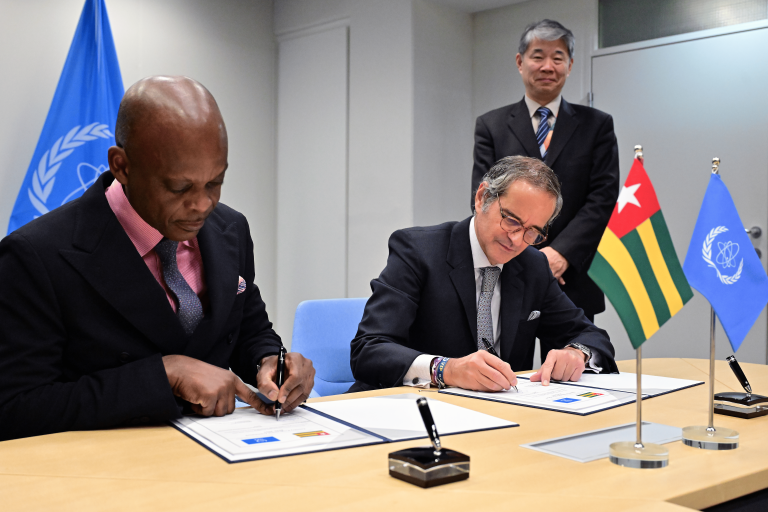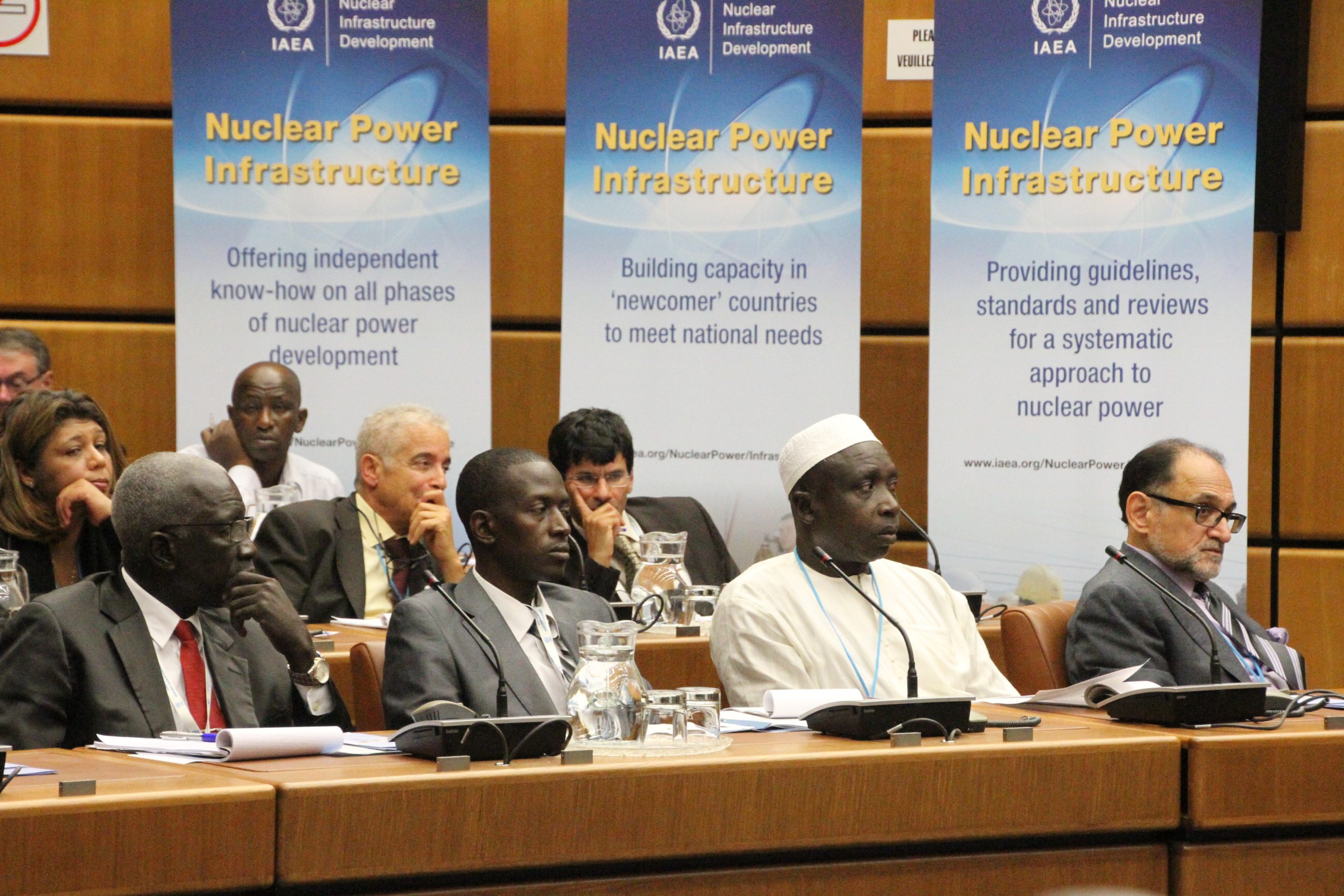
As African countries explore nuclear energy as a means to address energy shortages and reduce reliance on fossil fuels, the development of national nuclear energy policies has become a critical aspect of their energy strategies. These policies guide the safe and efficient integration of nuclear energy into national grids, helping to secure energy supplies and support long-term economic growth.
1. The Role of National Nuclear Energy Policies
The development of nuclear energy policies in Africa aims to balance the need for clean and reliable energy with environmental sustainability and nuclear safety. Countries such as South Africa, Kenya, and Egypt have become leaders in nuclear governance, crafting national policies that outline the path for nuclear energy development while addressing safety, regulation, and public concerns.
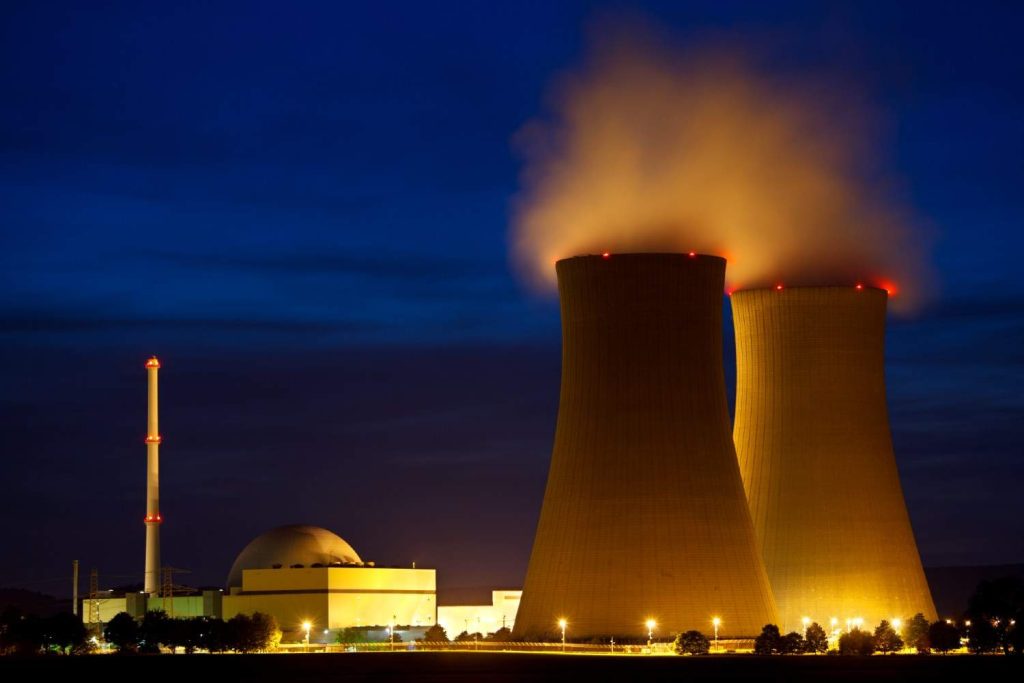
- Energy Security: Africa faces energy access challenges, with many countries relying heavily on imported fossil fuels or limited renewable resources. Nuclear energy offers a stable, reliable energy source, capable of addressing energy insecurity by diversifying the energy mix. For instance, South Africa’s nuclear energy policy emphasizes nuclear power as a critical part of its long-term energy security, complementing renewable energy sources and reducing dependence on coal.
- Sustainable Development: Nuclear power can contribute to sustainable energy solutions. Many African countries have included nuclear energy in their national sustainable development goals (SDGs), ensuring that nuclear energy contributes to economic growth, reduces carbon emissions, and enhances industrial capacity. Kenya’s nuclear energy policy, for example, aligns with its goal of achieving a diversified and sustainable energy mix.
- Regulatory Frameworks and Safety: Effective nuclear governance is vital to ensuring safe nuclear power development. National nuclear policies typically include the establishment of regulatory bodies, such as the National Nuclear Regulator (NNR) in South Africa and the Kenya Nuclear Regulatory Authority (KNRA), which ensure nuclear power plants operate safely and securely. These bodies are tasked with enforcing safety standards and ensuring compliance with international nuclear regulations, such as those set by the International Atomic Energy Agency (IAEA).
2. Key Elements of African Nuclear Energy Policies
The development of nuclear energy policies in Africa often includes the following key elements:
- Public Engagement and Transparency: Many African governments recognize the importance of transparency in the decision-making process related to nuclear energy. This involves engaging the public, local communities, and other stakeholders to address concerns and build trust in nuclear technology. Policies are often crafted with a focus on public safety and ensuring that local populations benefit from nuclear energy’s development.
- Research and Education: For successful nuclear energy implementation, African countries focus on nuclear education and workforce development. South Africa’s Nuclear Energy Corporation and Kenya’s involvement in the African Network for Education in Nuclear Science and Technology (AFRA-NEST) help train professionals and researchers in nuclear technology. These efforts are crucial for building a skilled workforce capable of supporting nuclear energy projects.
- International Cooperation: Africa’s nuclear energy policies are closely tied to international collaboration. Countries across the continent are involved in regional initiatives such as the African Union’s (AU) nuclear energy program and the IAEA’s nuclear safety and security framework. These collaborative efforts help African countries develop safe, reliable, and peaceful nuclear energy programs.
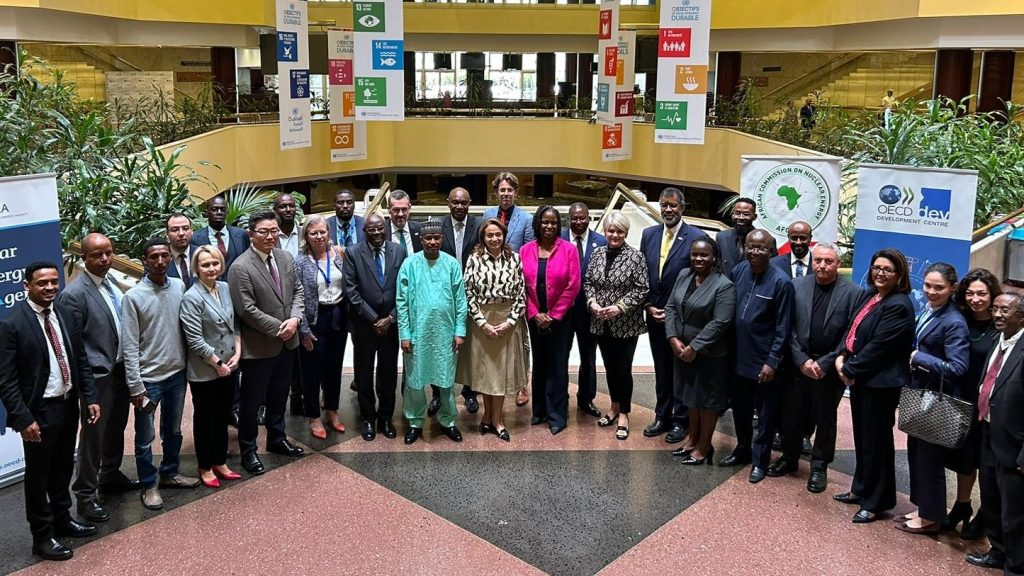
3. Examples of National Nuclear Energy Policies in Africa
- South Africa: As Africa’s most advanced nuclear energy producer, South Africa’s nuclear policy focuses on maintaining and expanding its nuclear infrastructure. The South African Nuclear Energy Policy (2008) outlines the country’s commitment to safe nuclear power, addressing the need for more nuclear power plants to meet growing energy demand and environmental targets. South Africa is also committed to nuclear disarmament as part of the Pelindaba Treaty, which prohibits the development of nuclear weapons across Africa.
- Kenya: Kenya has made significant progress in developing its nuclear energy program. The Kenya Nuclear Power Project aims to begin construction of a nuclear power plant by the early 2030s. The Kenya Nuclear Energy Policy (2019) establishes guidelines for nuclear energy development, including the establishment of regulatory frameworks, safety measures, and the necessary infrastructure to support the nation’s nuclear energy ambitions.
- Egypt: Egypt’s nuclear energy policy focuses on utilizing nuclear power as a part of its strategy to meet future energy demands. The Dabaa Nuclear Power Plant is the centerpiece of Egypt’s efforts to diversify its energy mix and reduce carbon emissions. The country has made significant investments in nuclear infrastructure and is working with international partners to ensure the safe and efficient development of its nuclear energy sector.
While nuclear energy policies in Africa present great potential for energy development, there are several challenges:
- Financial Constraints: The capital-intensive nature of nuclear power plant construction and operation presents a financial challenge for many African countries. Access to financing, both domestic and international, is crucial to the success of nuclear energy programs.
- Political and Public Support: Nuclear energy policies often require robust political will and public support. In some African countries, nuclear energy is met with skepticism, especially regarding safety concerns and environmental impact.
- Infrastructure Development: Building the necessary infrastructure for nuclear power, such as nuclear reactors, training facilities, and waste management systems, requires significant investment and time.